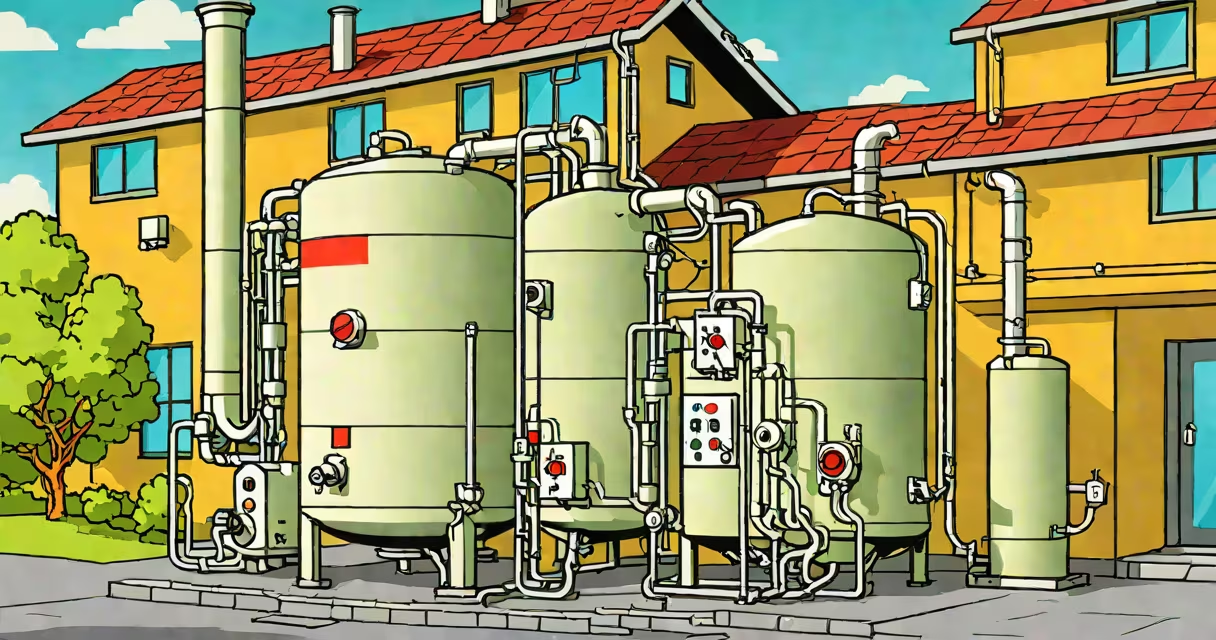
Heating oil is a petroleum-based fuel used primarily to generate heat in residential and commercial buildings through furnaces and boilers. Unlike gasoline or diesel, it's designed specifically for indoor heating systems.
When burned, heating oil releases thermal energy that warms air or water, which then circulates through a building's ventilation or radiator system. Modern furnaces atomize the oil for more complete combustion, reducing emissions and improving efficiency.
| Type | Common Grade | Key Characteristic |
|---|---|---|
| Fuel Oil #1 | Kerosene | Lighter, cleaner burn, better for cold weather |
| Fuel Oil #2 | Standard heating oil | Most common residential grade, thicker than #1 |
| Fuel Oil #4 | Industrial | Used in large commercial systems and generators |
Heating oil is most common in the northeastern U.S., where about 5.5 million households use it. It's popular because it's safer than natural gas (it won't explode or cause fires if leaked) and provides consistent heat even in extreme cold. The U.S. Energy Information Administration reports that heating oil accounts for about 6% of total home heating fuel consumption.
Many people confuse heating oil with motor oil or diesel fuel. Heating oil contains additives that make it unsuitable for vehicles, while diesel lacks the stabilizers needed for long-term storage in heating systems. Another myth is that heating oil is highly flammable when stored - in reality, it's much safer than propane or natural gas.
One non-obvious fact: heating oil doesn't freeze, even in subzero temperatures. However, when temperatures drop below 10°F (-12°C), the wax in heating oil can thicken, making it harder to pump. This is why many suppliers offer winter blends with lower pour points.
While generally safe, heating oil requires proper storage and maintenance. Tanks should be inspected annually for corrosion or leaks. The National Fire Protection Association recommends keeping the area around tanks clear of debris and ensuring proper ventilation.
When I visited a home heating service center, I noticed they always test oil samples for water contamination and sediment. Even small amounts of water can cause serious damage to furnaces during combustion.
Beyond home heating, heating oil powers some off-grid generators and commercial boilers. Some farms use it to heat barns and greenhouses. However, its primary purpose remains residential heating, where it competes with natural gas, propane, and electric systems.