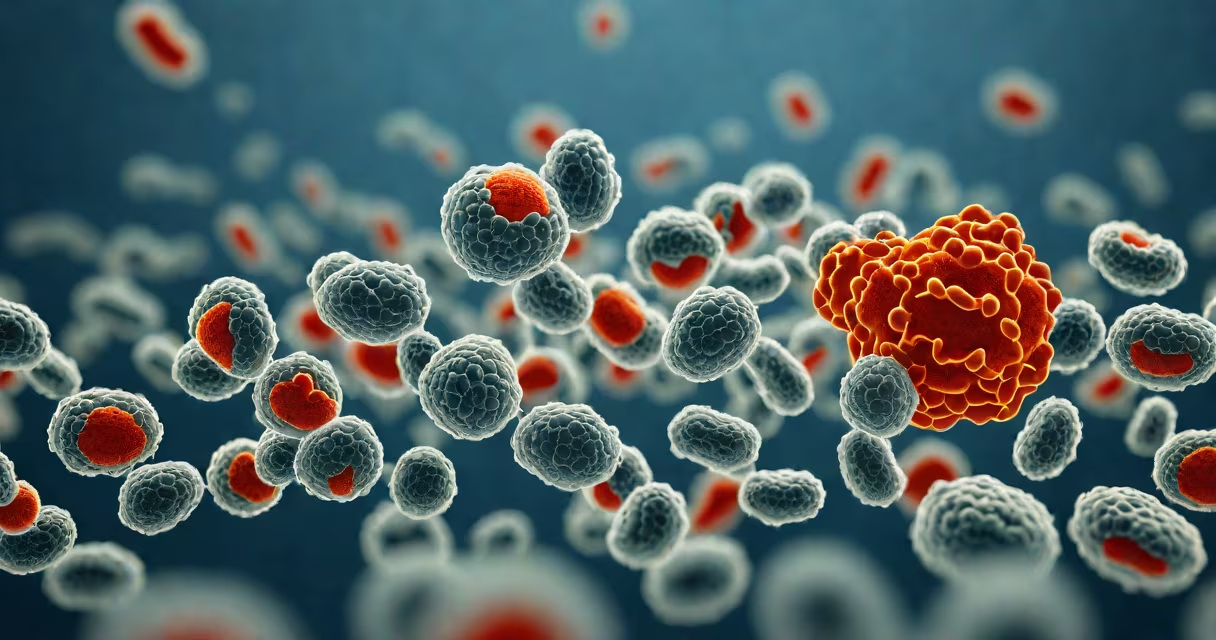
Hib disease is a severe infection caused by the Haemophilus influenzae type b (Hib) bacterium, primarily affecting children under five years old. Before vaccines were widely available, Hib was a leading cause of bacterial meningitis, pneumonia, and epiglottitis in young children.
The Hib bacterium typically invades the body through the nose and throat. In rare cases, it can spread to the bloodstream, joints, bones, or brain, leading to life-threatening conditions like meningitis or sepsis. The bacterium produces a protective capsule that helps it evade the immune system, making it particularly dangerous in young children whose immune systems are still developing.
Hib disease can manifest in several forms, including:
Before the introduction of the Hib vaccine, children under five were the most vulnerable to Hib disease. The highest risk was for children between six months and two years old. Unvaccinated individuals, including adults with certain medical conditions, are also at higher risk. According to the Centers for Disease Control and Prevention (CDC), the Hib vaccine has reduced cases by over 99% in the U.S. since its introduction in the late 1980s.
Many people confuse Hib disease with the flu or other viral infections. Unlike the flu, Hib disease is caused by a bacterium and can lead to severe, life-threatening complications. Another misconception is that Hib disease only affects children. While it primarily impacts young children, unvaccinated adults can also contract the disease, though it is less common.
One non-obvious fact is that Hib disease is not spread through the air like colds or the flu. Instead, it spreads through direct contact with respiratory secretions, such as saliva or mucus, from an infected person. This makes good hygiene practices, like washing hands and covering the mouth when coughing, important in preventing its spread.
The best way to prevent Hib disease is through vaccination. The Hib vaccine is typically given to infants as part of their routine immunizations. For those who contract Hib disease, treatment usually involves antibiotics. In severe cases, such as meningitis or epiglottitis, hospitalization and intensive care may be necessary.
I remember when my younger cousin, who was then two years old, had to be rushed to the hospital due to a high fever and difficulty breathing. The doctors suspected Hib disease, and thankfully, prompt treatment with antibiotics saved his life. This experience highlighted the importance of vaccinations and early medical intervention.
Hib disease is a serious but preventable infection caused by the Haemophilus influenzae type b bacterium. Understanding its risks, symptoms, and prevention methods is important, especially for parents of young children. Vaccination remains the most effective way to protect against this potentially deadly disease.