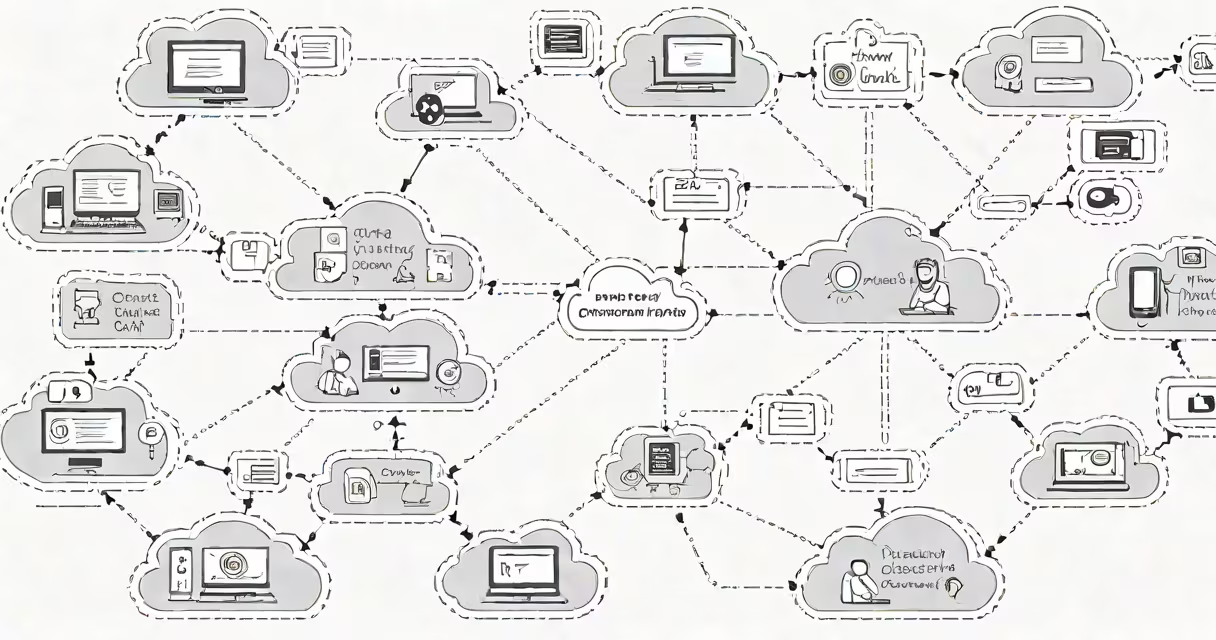
Identity as a Service (IDaaS) is cloud-based software that manages user identities and access permissions across multiple applications and systems. It provides authentication, authorization, and user management through a centralized platform.
IDaaS solutions operate by storing user credentials in the cloud and providing interfaces for applications to verify those credentials. When a user attempts to access an application, the system checks their credentials against the stored data and grants or denies access based on predefined rules.
For example, when an employee logs into a company portal using IDaaS, the system verifies their credentials and determines which applications they can access based on their role. This process happens in real-time, allowing for immediate access decisions.
IDaaS platforms typically include several key components:
Organizations implement IDaaS to address specific security and management challenges:
| Use Case | Description | Example |
|---|---|---|
| Remote workforce access | Secure access for employees working outside the office | A sales team accessing CRM software from home offices |
| Controlled access for contractors and partners | Consultants accessing project management tools without full network access | |
| Regulatory compliance | Meeting industry standards for data protection | A healthcare provider ensuring HIPAA-compliant access to patient records |
Many companies use IDaaS to replace outdated on-premises identity management systems with more flexible, scalable cloud solutions. According to Gartner, the IDaaS market grew 18% in 2022 as organizations sought to improve security and reduce IT complexity.
Unlike traditional identity management systems that require on-premises servers and software, IDaaS operates entirely in the cloud. This fundamental difference affects deployment, maintenance, and scalability.
Traditional systems often require significant hardware investments and IT staff to maintain. In contrast, IDaaS providers handle infrastructure management, allowing organizations to focus on security policies rather than server maintenance.
I implemented an IDaaS solution for a mid-sized marketing agency. The system reduced login-related help desk tickets by 60% within three months by eliminating password reset requests through self-service options and MFA.
While IDaaS offers many benefits, organizations must consider potential security risks. A centralized identity system becomes an attractive target for cyberattacks, making strong security measures essential.
Best practices include implementing MFA, regularly updating security policies, and monitoring for unusual access patterns. The National Institute of Standards and Technology (NIST) recommends using phishing-resistant authentication methods to protect against common attack vectors.
When evaluating IDaaS providers, look for certifications like SOC 2 Type II, ISO 27001, and FedRAMP compliance, which indicate strong security practices. These certifications demonstrate that the provider has undergone independent audits and meets specific security standards.
See how device management complements identity services