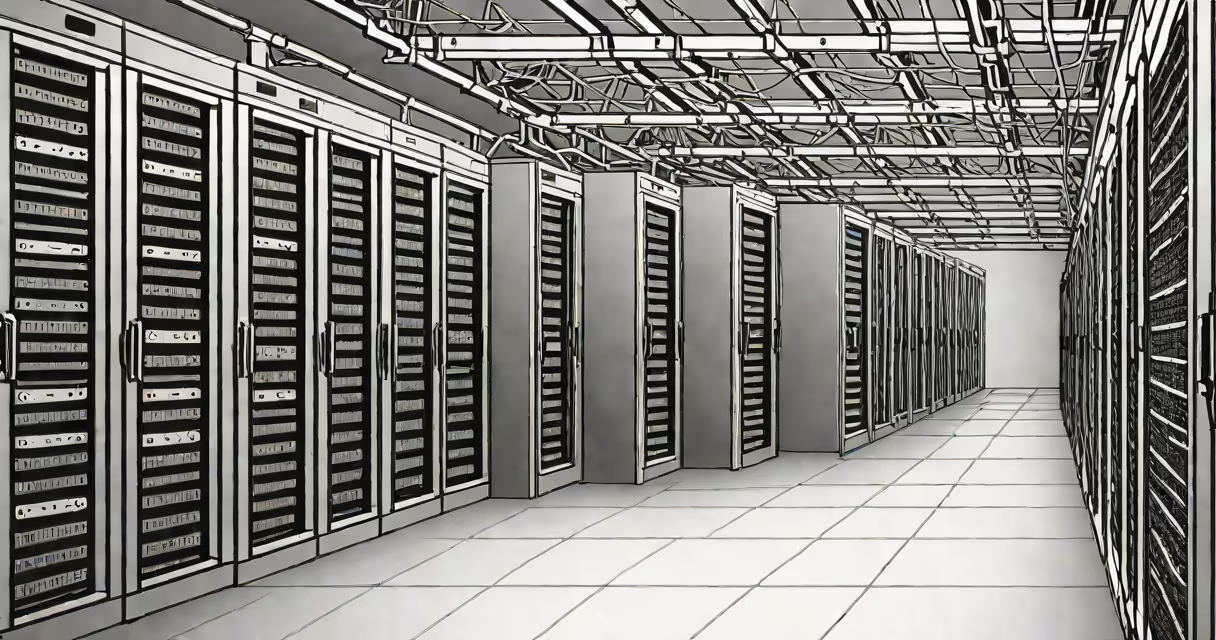
IT infrastructure refers to the physical and virtual resources that support digital operations, including hardware, software, networks, and facilities. These components work together to enable computing, storage, and communication for organizations.
Every IT infrastructure consists of several key elements:
For example, a typical enterprise infrastructure might include Dell PowerEdge servers running VMware virtualization software, connected through Cisco networking equipment, and housed in a secure data center with redundant power supplies.
Organizations deploy IT infrastructure in different ways depending on their needs:
| Model | Description | Example |
|---|---|---|
| On-premise | Physical infrastructure located within the organization's premises | A bank maintaining its own data center for processing transactions |
| Cloud | Infrastructure hosted by third-party providers over the internet | A startup using Amazon Web Services (AWS) to host its web applications |
| Hybrid | Combination of on-premise and cloud infrastructure | A retail company using cloud-based e-commerce platforms while maintaining on-site POS systems |
According to Gartner, 67% of infrastructure and operations leaders have implemented hybrid infrastructure strategies to balance cost, performance, and security requirements.
IT infrastructure forms the core of modern business operations. It enables:
For instance, during the COVID-19 pandemic, organizations with solid IT infrastructures were able to transition to remote work more effectively, maintaining productivity despite physical office closures.
Many people confuse IT infrastructure with:
While related, these concepts are distinct. Infrastructure refers specifically to the tangible and intangible resources that support IT operations.
When I helped a small business migrate from paper-based processes to digital systems, we first assessed their IT infrastructure needs. We implemented a hybrid model with on-premise file servers for sensitive client data and cloud-based email and productivity tools. This approach balanced security requirements with the flexibility of remote access.
Understanding what is IT infrastructure is important for making informed decisions about technology investments. optimizing existing ones, a well-designed infrastructure supports current needs while allowing for future growth.