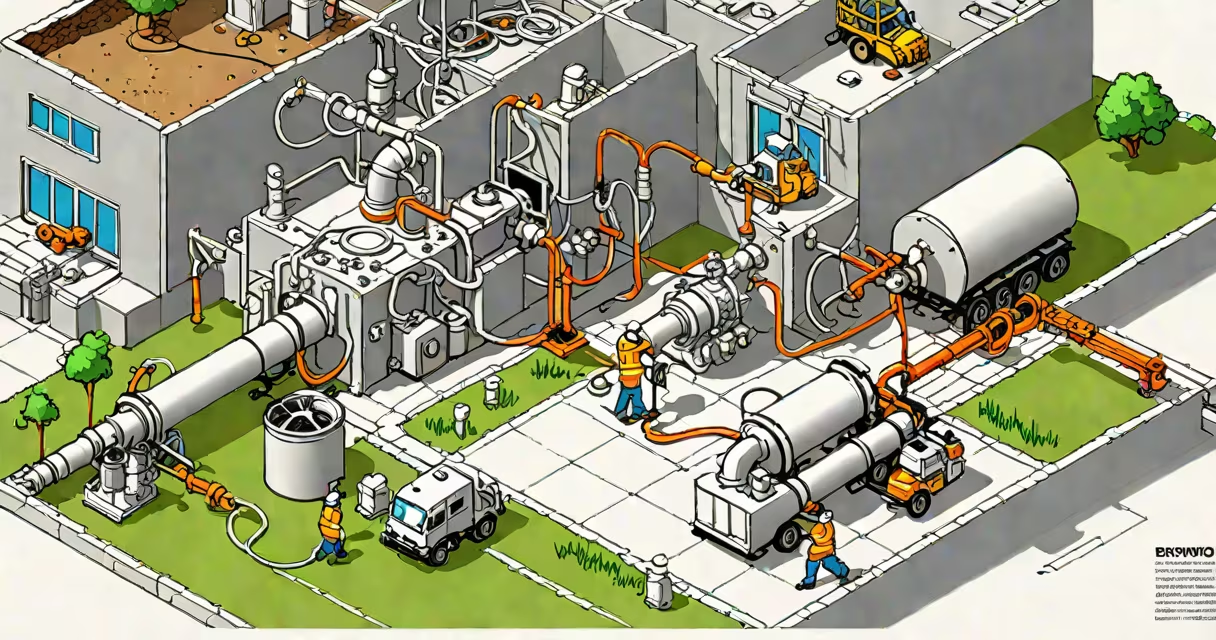
Jetting a sewer line is a plumbing technique that uses high-pressure water to clear blockages and clean pipe walls thoroughly. This method is more effective than traditional snaking for stubborn clogs and preventive maintenance.
A hydro jet machine pumps water at pressures between 1,500 to 4,000 PSI through a nozzle attached to a flexible hose. The nozzle sprays water in multiple directions, scouring grease, debris, and mineral buildup from pipe walls. The force dislodges blockages and flushes them out of the system.
| Type | Pressure Range | Use Case |
|---|---|---|
| Light Duty | 1,500-2,500 PSI | Preventive maintenance, small clogs |
| Medium Duty | 2,500-3,500 PSI | Moderate blockages, residential lines |
| Heavy Duty | 3,500-4,000 PSI | Severe blockages, commercial lines |
Jetting is ideal for recurring clogs, grease buildup, or when a camera inspection reveals significant debris. It's also used after other cleaning methods fail. For example, a restaurant with frequent grease-related backups would benefit from regular jetting.
Some believe jetting can damage old pipes, but modern machines adjust pressure to avoid harm. Others think it's only for emergencies, but it's also a preventive measure. Unlike snaking, which just punches a hole through a clog, jetting cleans the entire pipe.
I've seen jetting handle a clogged line that snaking couldn't touch. A client's line was blocked by tree roots, and while snaking pushed them aside temporarily, jetting blasted the roots into smaller pieces that flushed away completely.