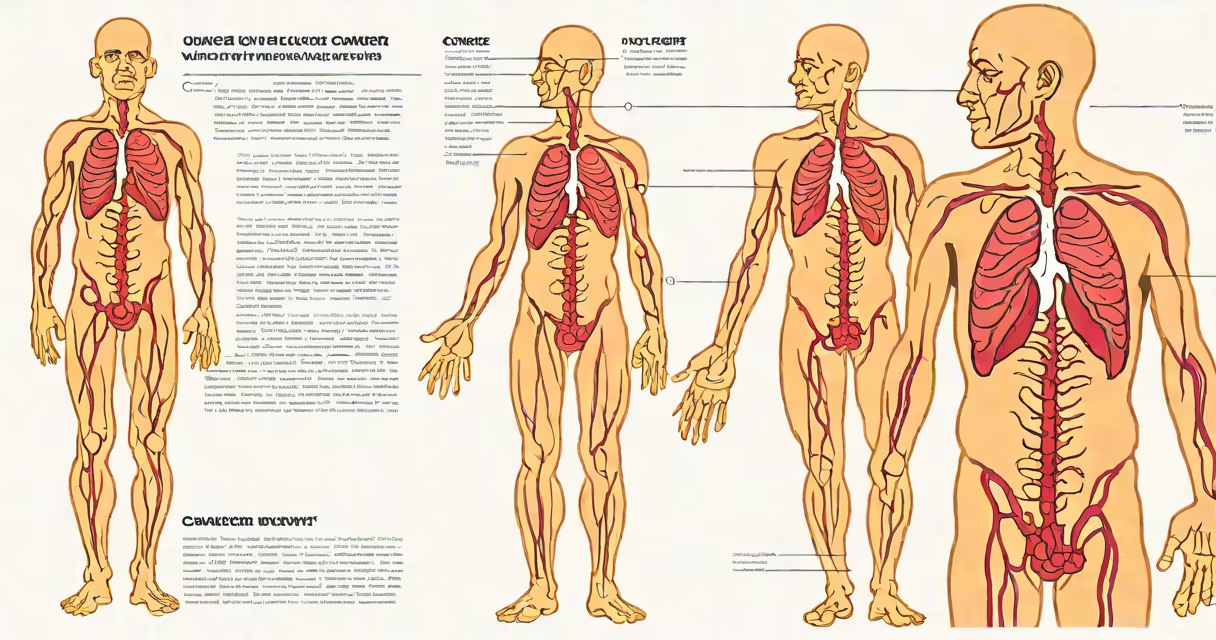
Stage 4 cancer is the most advanced level of cancer progression, where cancer cells have spread from their original site to distant organs or tissues in the body. This stage is also called metastatic cancer.
Cancer staging is a system that describes the size of the primary tumor, whether it has spread to nearby lymph nodes, and whether it has metastasized to distant parts of the body. The most common staging systems are the TNM system and the numbered system (stages 1 through 4).
Stage 4 cancer can occur in any type of cancer, but some of the most common types include:
Cancer staging is used to determine the best treatment options and to predict a patient's prognosis. It helps doctors understand the extent of the cancer and how it might respond to different treatments.
Stage 4 cancer is typically treated with a combination of therapies, including surgery, radiation therapy, chemotherapy, targeted therapy, and immunotherapy. The goal of treatment is often to control the cancer and relieve symptoms rather than to cure it.
One common misconception is that stage 4 cancer is always fatal. While stage 4 cancer is serious, many people live with metastatic cancer for years with proper treatment and management. Advances in cancer research and treatment have improved survival rates and quality of life for many patients.
Another misconception is that stage 4 cancer is the same as terminal cancer. While stage 4 cancer is advanced, it does not necessarily mean that the patient is in the final stages of life. Many people with stage 4 cancer live for years with appropriate treatment and care.
I once worked with a patient who was diagnosed with stage 4 lung cancer. Despite the advanced stage, she responded well to targeted therapy and lived for several years, maintaining a good quality of life. Her experience highlighted the importance of personalized treatment plans and ongoing support for patients with advanced cancer.
Stage 4 cancer is the most advanced stage of cancer, where cancer cells have spread to distant parts of the body. Understanding the staging system and the available treatment options is important for managing the disease and improving the quality of life for patients.