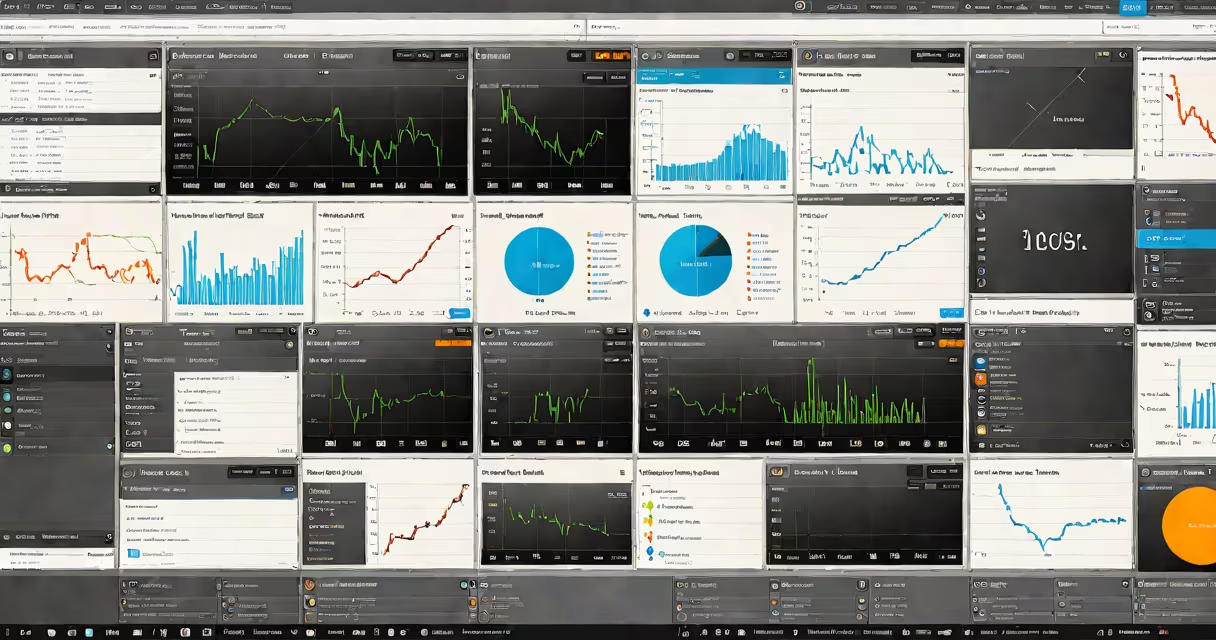
LibreNMS is an open-source network monitoring tool that tracks devices using the Simple Network Management Protocol (SNMP). It provides alerting, graphing, and other network management features.
LibreNMS uses SNMP to collect data from network devices like routers, switches, and servers. It stores this data in a database and generates graphs and alerts based on predefined thresholds. The system supports many devices and protocols, making it versatile for different network environments.
LibreNMS offers several key features:
LibreNMS supports many devices, including:
LibreNMS is used in various settings, including:
Organizations use LibreNMS because it is cost-effective, flexible, and highly customizable. Its open-source nature allows for community contributions and continuous improvement.
Some people confuse LibreNMS with other network monitoring tools like Nagios or Zabbix. While these tools share similarities, LibreNMS is specifically designed for SNMP-based monitoring and offers unique features tailored to network devices.
Another misconception is that LibreNMS is only suitable for small networks. In reality, it scales well and can handle large, distributed networks with thousands of devices.
To set up LibreNMS for monitoring a network, follow these steps:
For example, if you have a network with 50 switches, you can use LibreNMS to monitor their CPU usage, memory usage, and interface statistics. If any switch exceeds predefined thresholds, LibreNMS will send an alert to the network administrator.
LibreNMS is a useful, open-source network monitoring tool that uses SNMP to track devices and provide alerting and graphing capabilities. It is versatile, scalable, and suitable for various network environments, from small offices to large enterprises.