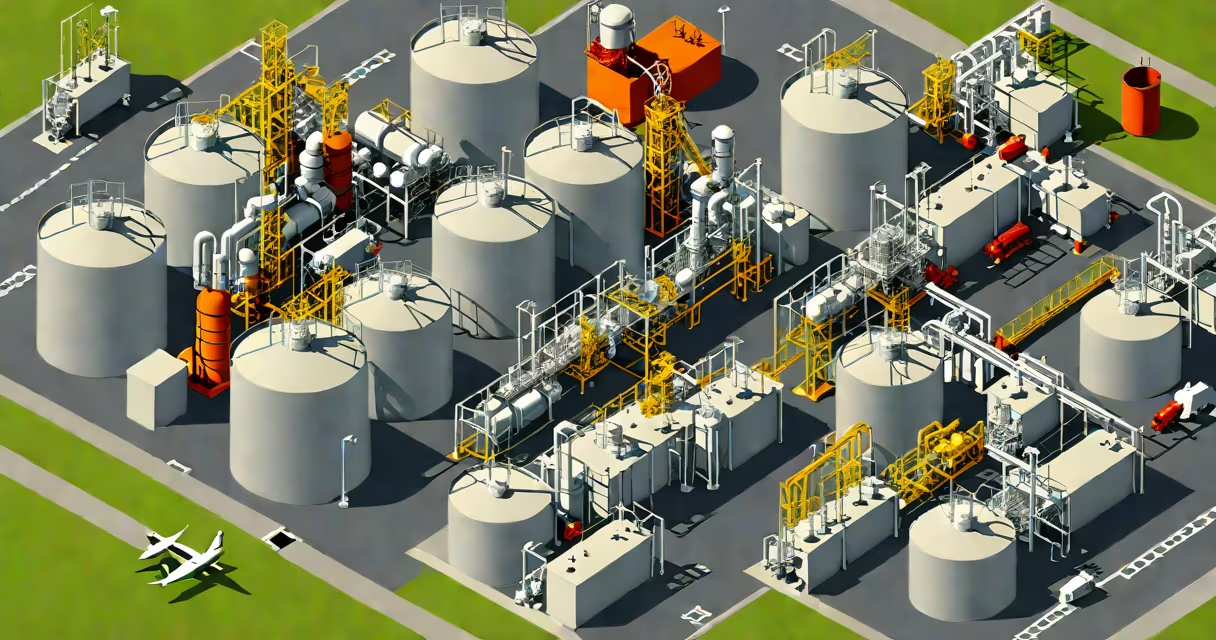
An LNG project is an energy infrastructure development that converts natural gas into liquid form for storage and transportation. These large-scale operations typically involve extraction, processing, liquefaction, storage, and regasification facilities.
Natural gas is cooled to -260°F (-162°C) during liquefaction, reducing its volume by 600 times. This process allows gas to be transported efficiently via specialized tankers to receiving terminals worldwide.
LNG projects consist of several key components:
LNG projects enable natural gas trade between continents. The U.S., Qatar, and Australia operate the largest facilities, supplying energy to countries without pipeline access. According to the International Energy Agency, global LNG trade reached 592 million tonnes in 2022.
Many confuse LNG projects with simple gas pipelines. Unlike pipelines limited by geography, LNG offers global reach through ocean transport. Another misconception is that LNG facilities are small-scale operations - the largest facilities process over 20 million tonnes annually.
I visited the Sabine Pass LNG terminal in Louisiana, where I observed the massive scale of these operations firsthand. The facility's six liquefaction trains each produce 4.4 million tonnes per year, demonstrating the industrial magnitude required for global energy distribution.
LNG projects represent a critical component of the global energy infrastructure, enabling the efficient transport of natural gas resources to markets worldwide. Their sophisticated processes and massive scale distinguish them from conventional pipeline operations.