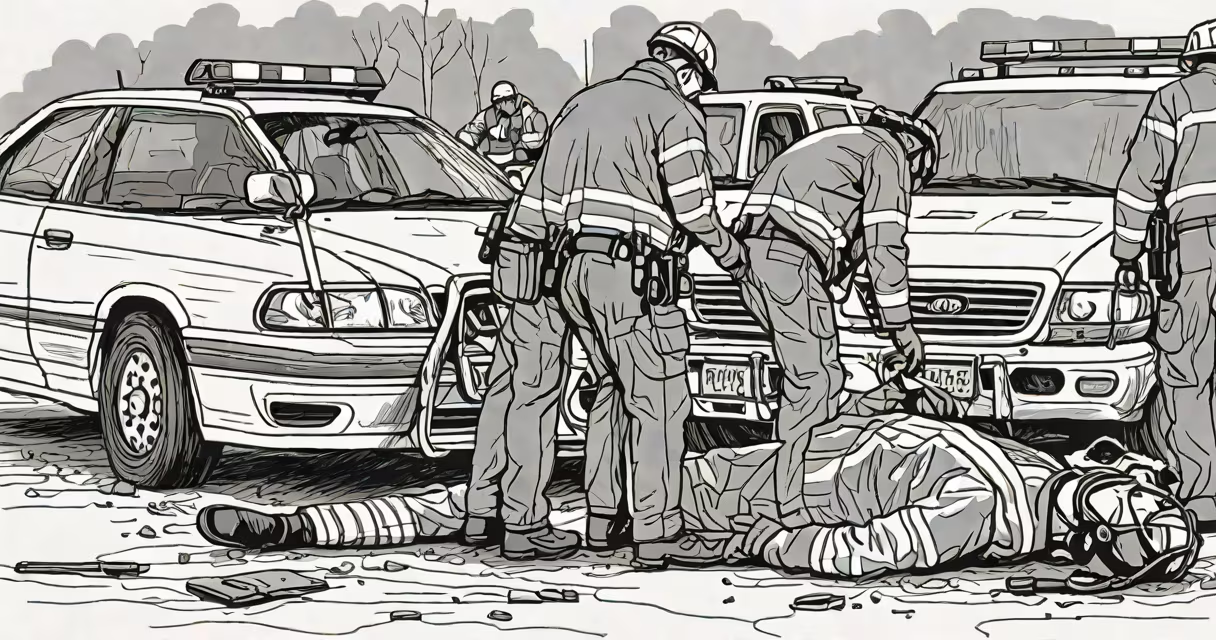
MVA is a medical abbreviation for "motor vehicle accident," a standardized term used in emergency medicine to describe collisions involving cars, trucks, motorcycles, or other vehicles. This classification triggers specific protocols for trauma assessment and treatment.
Emergency responders and physicians use "MVA" to quickly convey critical information. For example, an ambulance report might note "patient involved in MVA with head trauma," prompting immediate CT scans and neurological checks. The term appears in electronic health records, insurance claims, and public health databases tracking accident trends.
| Type | Description | Typical Injuries |
|---|---|---|
| Rear-end collision | One vehicle strikes another from behind | Whiplash, spinal fractures |
| Head-on collision | Frontal impact between vehicles | Facial trauma, internal bleeding |
| Side-impact collision | T-bone crashes, often at intersections | Rib fractures, organ damage |
| Rollovers | Vehicle flips onto roof or side | Skull fractures, severe lacerations |
Many trauma specialists prefer "motor vehicle crash" or "collision" because "accident" implies randomness. In reality, 94% of serious crashes result from human error (NHTSA 2022). The term "MVA" persists due to historical usage in medical literature.
During my EMT training, we practiced rapid MVA assessments using the mnemonic "Sample":
This structured approach ensures consistent care for MVA patients.