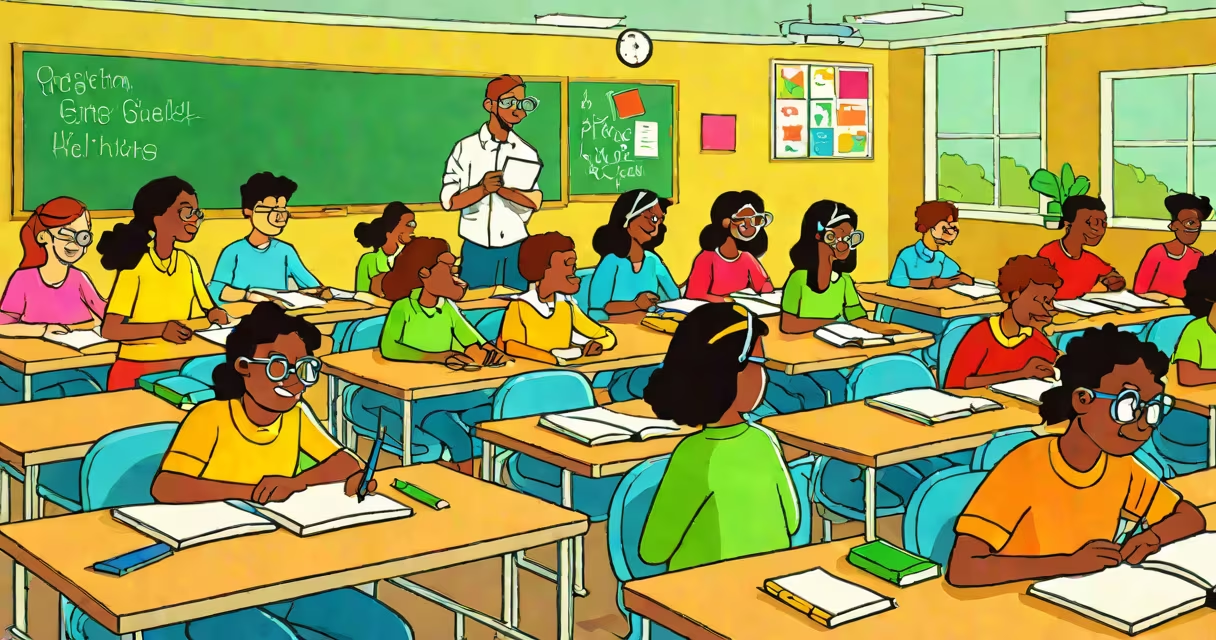
Peer learning in education is a teaching method where students learn from and with each other, rather than solely from instructors. This approach fosters collaboration, improves critical thinking, and enhances academic performance.
In peer learning, students engage in activities such as group discussions, problem-solving tasks, and peer tutoring. These interactions allow them to share knowledge, provide feedback, and learn from diverse perspectives. For example, in a science class, students might work in groups to conduct experiments and present their findings to the class.
Peer learning encompasses various methods, including:
According to a study by the Edutopia, peer learning can improve student engagement and retention rates by up to 30%.
Peer learning offers several advantages:
Research from the Association for Supervision and Curriculum Development shows that peer learning can lead to higher test scores and better academic performance.
Another misconception is that peer learning replaces the role of teachers. In reality, teachers still play a important role in facilitating and guiding the learning process. They set the structure, provide resources, and ensure that learning objectives are met.
At a high school in California, students in a history class used peer learning to prepare for a major exam. They divided into small groups, each responsible for a different historical period. Students taught their assigned topics to the rest of the class, creating a collaborative learning environment. The results were impressive: the average test score increased by 15%, and student engagement improved.
I witnessed a similar scenario while volunteering at a local community center. A group of middle school students worked together on a science project, teaching each other about different aspects of the project. The collaboration fostered a sense of camaraderie and mutual respect.