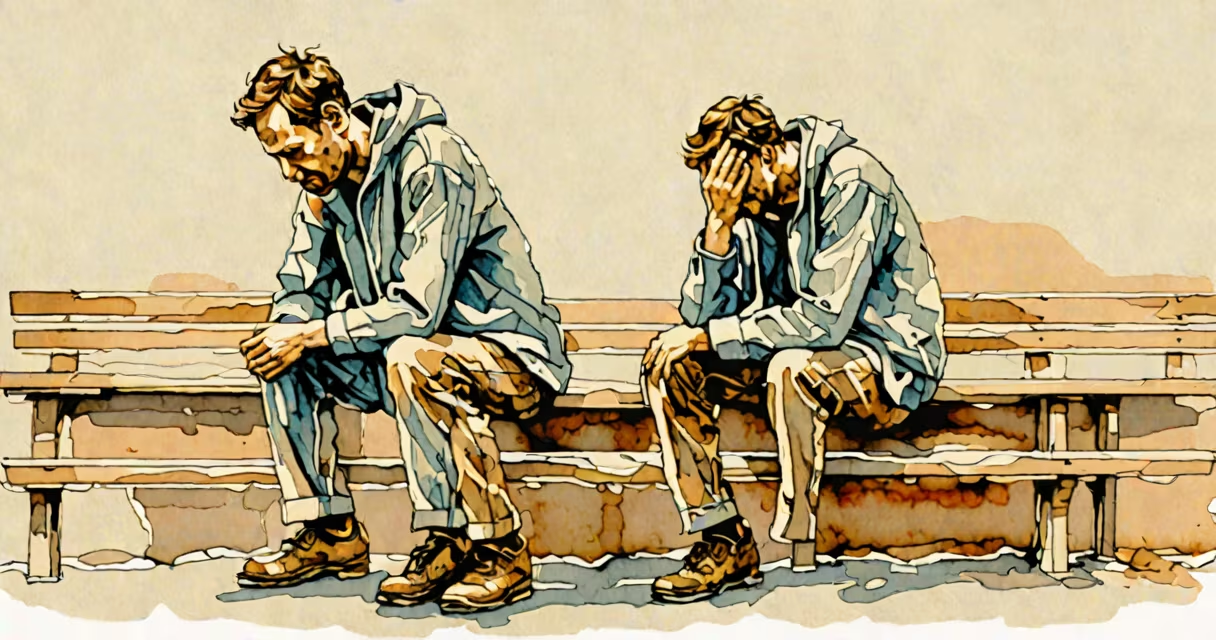
Sadness is a normal human emotion characterized by feelings of unhappiness, sorrow, or melancholy. It often arises from loss, disappointment, or difficult life events.
Sadness triggers a complex emotional response involving brain chemicals like serotonin and dopamine. These neurotransmitters regulate mood, and their imbalance can contribute to prolonged sadness. The amygdala, a part of the brain responsible for processing emotions, plays a key role in how we experience sadness.
Sadness can manifest in various forms, including:
Sadness can stem from numerous factors, including:
According to the American Psychological Association, sadness is a natural response to stress and can be a protective mechanism that helps us cope with challenging situations.
Sadness can present differently in each individual, but common signs include:
If these symptoms persist for more than two weeks, it may indicate a more serious condition, such as clinical depression. In such cases, seeking help from a mental health professional is important.
While sadness and depression share similarities, they are distinct. Sadness is typically a short-term response to a specific event, whereas depression is a long-term mood disorder that affects daily life. Depression often requires treatment, such as therapy or medication, while sadness usually resolves on its own.
I once supported a close friend through a period of sadness after a breakup. By simply being present and listening without judgment, I helped them process their emotions and eventually move forward.