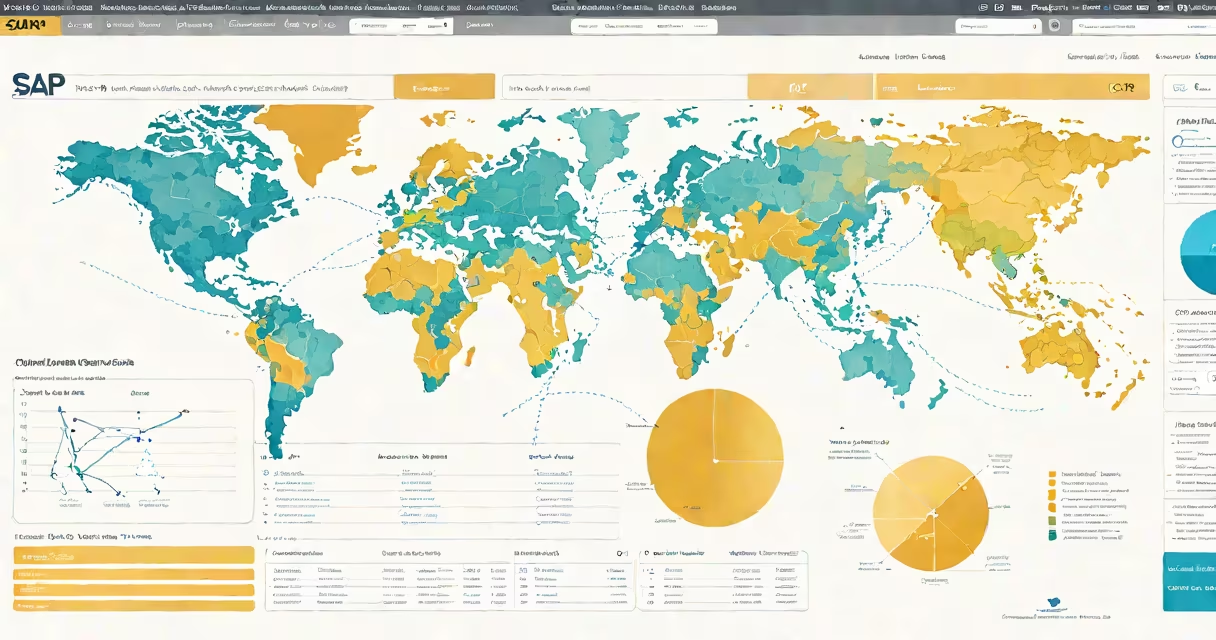
SAP TMS is enterprise software for managing freight, logistics, and transportation operations. It optimizes routing, carrier selection, and freight settlement while integrating with other SAP modules like ERP and warehouse management systems.
SAP TMS automates transportation processes using algorithms for route planning and carrier selection. It tracks shipments in real time, generates analytics reports, and ensures compliance with regulations. The system supports both inbound and outbound logistics, including procurement, distribution, and reverse logistics.
Core capabilities include:
| Transport Mode | Use Case | Key Features |
|---|---|---|
| Truck | Overland freight | Load consolidation, cross-docking support |
| Rail | Long-distance bulk transport | Intermodal coordination, track visibility |
| Air | Urgent deliveries | Airway bill generation, priority routing |
| Ocean | International shipping | Container management, customs clearance |
Many assume SAP TMS only handles freight booking, but it also manages:
According to SAP, organizations using TMS typically reduce logistics costs by 5-10%. For example, a global retailer using SAP TMS reduced its transportation spend by $20 million annually by optimizing routes and consolidating shipments.
SAP TMS connects with:
I configured SAP TMS to integrate with a client's ERP system, reducing data entry errors by 30% through automated synchronization of shipment records.
Successful deployments require:
According to Gartner, proper implementation takes 6-12 months and involves business process reengineering to maximize benefits.
Companies adopt SAP TMS to:
For example, a manufacturing company using SAP TMS achieved a 15% reduction in transit times by optimizing multi-modal transportation routes between factories and distribution centers.
Some organizations use:
However, SAP TMS remains the most complete solution for enterprises managing complex global logistics networks.