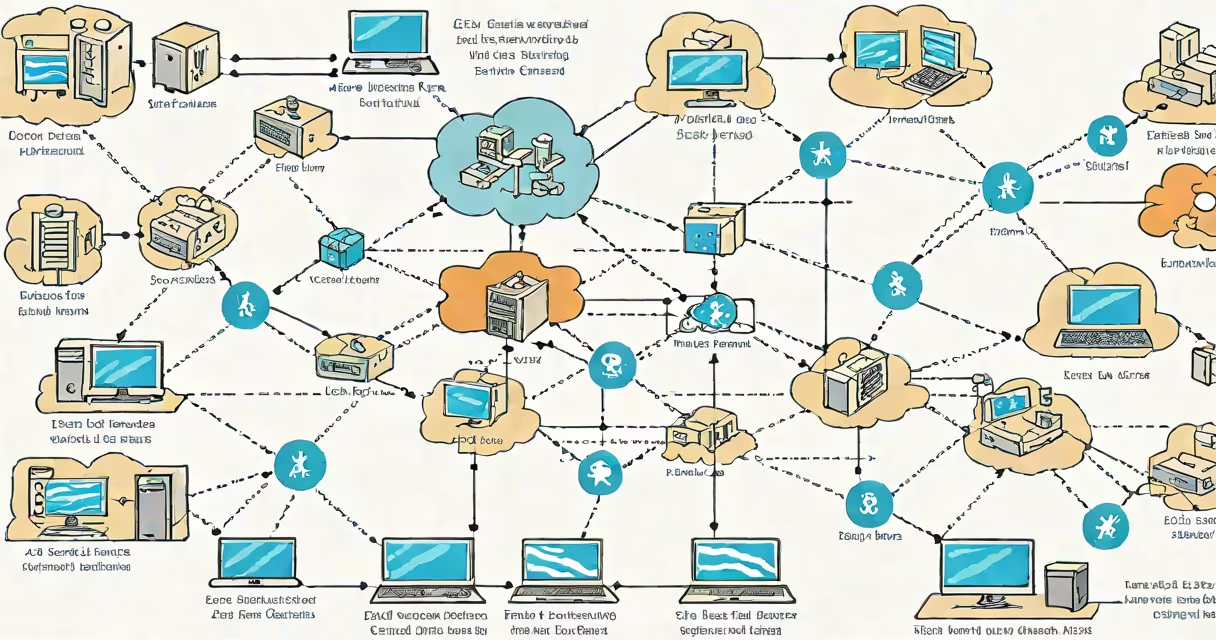
SIEM integration connects security tools to a central Security Information and Event Management (SIEM) system, enabling unified threat detection and response. This process aggregates data from multiple sources to identify patterns, correlate events, and trigger automated responses.
A SIEM system collects log data from various security tools, such as firewalls, intrusion detection systems, and antivirus software. The integration process involves configuring these tools to send their logs to the SIEM platform, which then analyzes the data for suspicious activities or anomalies. For example, if a firewall detects multiple failed login attempts, it sends this data to the SIEM, which correlates it with other events to determine if a larger attack is underway.
SIEM integrations can be categorized based on the types of tools they connect:
| Integration Type | Examples | Purpose |
|---|---|---|
| Network Security Tools | Firewalls, VPNs, IDS/IPS | Monitor network traffic for threats |
| Endpoint Security Tools | Antivirus software, EDR solutions | Detect and respond to threats on individual devices |
| Cloud Security Tools | Cloud access security brokers, CASBs | Secure cloud environments and monitor cloud-based activities |
Many people confuse SIEM integration with simply aggregating logs. However, effective SIEM integration goes beyond log collection-it involves correlating data from different sources to provide a complete view of security events. For instance, integrating a SIEM with an endpoint detection and response (EDR) tool allows for real-time analysis of endpoint activities, which is important for detecting advanced threats that might bypass traditional security measures.
Another misconception is that SIEM integration is only for large enterprises. While large organizations benefit from SIEM integration due to their complex IT environments, small and medium-sized businesses can also use SIEM integration to improve their security posture. For example, a small business might integrate its SIEM with a basic firewall and antivirus software to monitor for unusual activities and receive alerts when potential threats are detected.
SIEM integration is important for modern cybersecurity strategies because it provides a centralized view of security events across an organization's IT infrastructure. By integrating various security tools, organizations can detect threats more quickly, respond to incidents more effectively, and reduce the risk of data breaches. According to a report by Gartner, organizations that implement SIEM integration experience a significant reduction in the time it takes to detect and respond to security incidents.
For example, a healthcare provider might integrate its SIEM with electronic health record (EHR) systems to monitor access to patient data. If an unauthorized user attempts to access sensitive information, the SIEM can correlate this event with other security logs and trigger an alert, allowing the IT team to investigate and mitigate the threat before any data is compromised.
In my experience working with a financial institution, integrating the SIEM with transaction monitoring systems helped detect and prevent several fraud attempts. The SIEM correlated unusual transaction patterns with other security events, such as failed login attempts, and flagged them for immediate investigation. This proactive approach reduced the risk of financial loss and data breaches.
SIEM integration is a critical component of modern cybersecurity strategies, enabling organizations to centralize threat detection and response efforts. By connecting various security tools to a SIEM platform, businesses can gain a complete view of their security posture, detect threats more efficiently, and respond to incidents more effectively. Whether for large enterprises or small businesses, SIEM integration provides the necessary tools to improve security and protect against cyber threats.