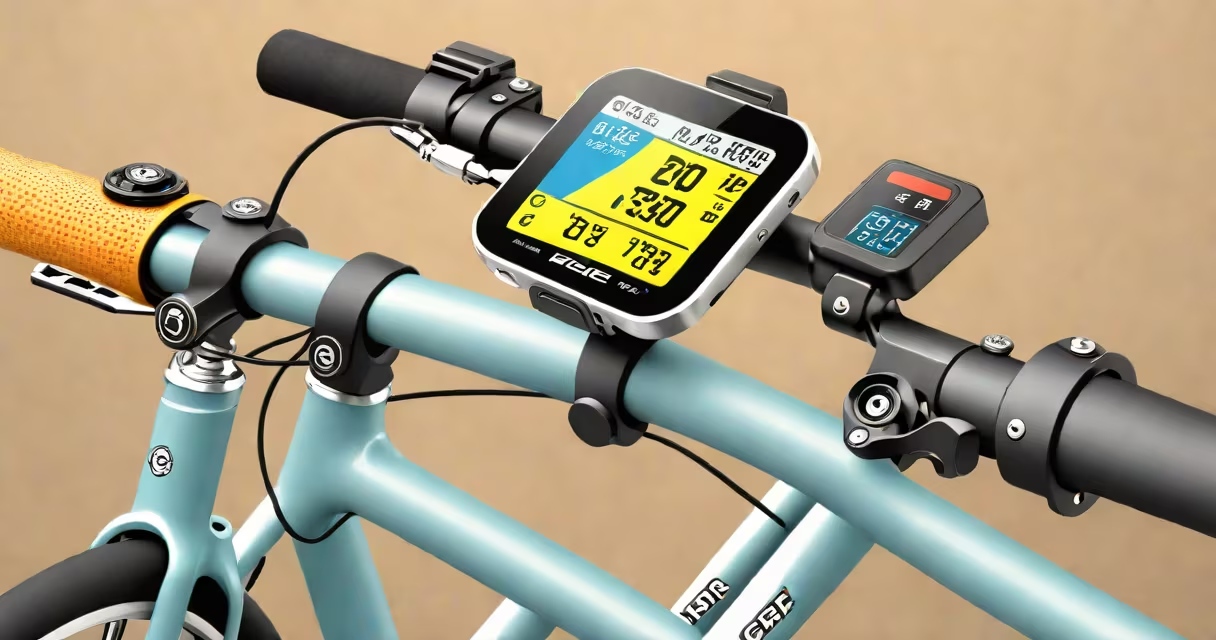
A cycle computer is a device that tracks and displays cycling metrics like speed, distance, and elevation. The best cycle computer for you depends on your riding style, budget, and desired features.
Cycle computers use sensors to gather data. Basic models rely on wheel magnets or accelerometers to measure speed and distance. Advanced units incorporate GPS for location tracking, altitude measurement, and route mapping. Some connect to smartphones for notifications and live tracking.
| Type | Key Features | Best For |
|---|---|---|
| Basic | Speed, distance, trip time | Commuters, casual riders |
| Mid-range | GPS, heart rate, cadence | Recreational cyclists |
| Advanced | Full-color maps, Wi-Fi, smartphone integration | Serious cyclists, racers |
Many assume all cycle computers are alike. In reality, they vary widely in capabilities. Basic models lack GPS, while high-end units offer full-color maps and smartphone connectivity. Another mistake is prioritizing flashy features over reliability. A simple, durable device often outperforms a complex one in harsh conditions.
Consider the Garmin Edge 530. This mid-range unit offers GPS, performance metrics, and smart notifications. It connects to heart rate monitors and power meters for advanced training analysis. The device retails for around $250, making it suitable for serious cyclists who want detailed feedback without breaking the bank.
I tested the Edge 530 during a 40-mile ride. The GPS locked quickly, and the elevation data matched my route's known climbs. The device synced smoothly with my smartphone for live tracking and post-ride analysis. While it lacks a touchscreen, the button interface proved intuitive.
When choosing a cycle computer, consider your primary use case. Commuters may prioritize simplicity and durability, while racers need advanced metrics and training tools. Battery life matters for long rides, and compatibility with other devices ensures smooth integration. Finally, check for weather resistance if you ride in harsh conditions.