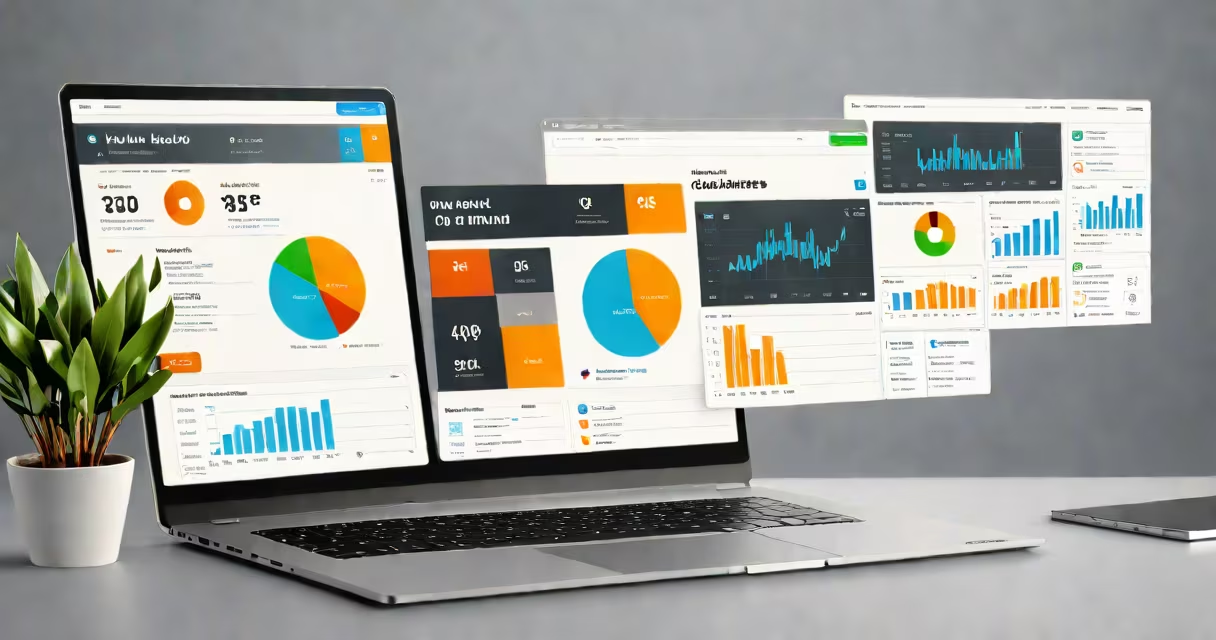
The best digital marketing platform is the one that aligns with your specific business goals, budget, and team expertise. No single tool works for everyone, but understanding key features and use cases helps narrow choices.
These platforms provide centralized hubs for managing campaigns across multiple channels. They typically offer:
For example, HubSpot's free CRM includes basic email marketing and social media management, while enterprise platforms like Adobe Experience Cloud integrate advanced analytics and AI-driven personalization.
| Type | Key Features | Best For |
|---|---|---|
| All-in-one suites | Email, social, ads, SEO in one interface | Small businesses needing simplicity |
| Specialized tools | Deep functionality for one channel | Enterprises with dedicated teams |
| Self-service ad platforms | Direct access to ad exchanges | Agencies managing client budgets |
Most small businesses start with all-in-one platforms like Mailchimp or Constant Contact, while larger organizations often combine specialized tools. Facebook Ads Manager and Google Ads are popular self-service options for direct ad buying.
Many assume expensive platforms automatically deliver better results. However, a 2023 study by Gartner found that proper implementation and strategy matter more than tool cost. For instance, a small e-commerce store using Shopify's built-in marketing tools might outperform a large retailer struggling with an over-complicated enterprise system.
Begin by identifying your primary marketing channels. If email is your focus, prioritize platforms with strong deliverability rates and template libraries. For social media-heavy strategies, look for tools with solid analytics and scheduling capabilities.
Test before committing. Most platforms offer free trials, allowing you to evaluate usability and features against your specific needs. During my time managing digital campaigns for a nonprofit, we tested three platforms before choosing one that offered both ease of use and sufficient reporting features.
Current leaders include:
Begin with a clear marketing strategy and defined KPIs. Then evaluate platforms based on your specific needs rather than generic rankings. The right tool will simplify your workflow while providing the features necessary to achieve your marketing goals.