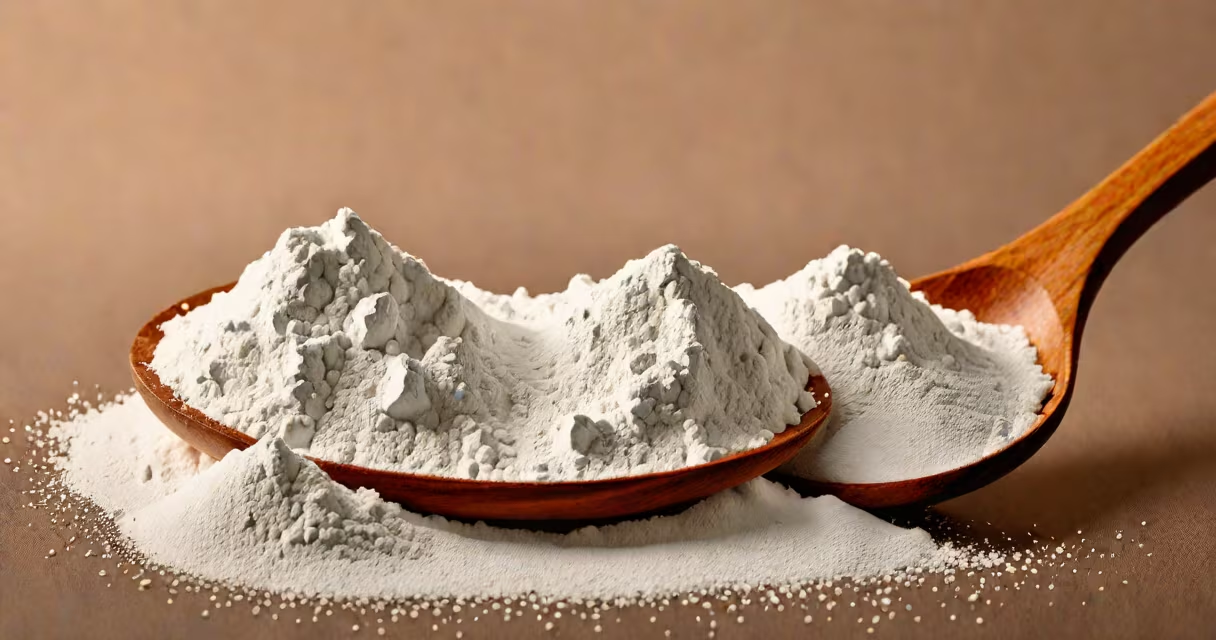
Baking soda is sodium bicarbonate, a chemical compound with the formula NaHCO₃. This white crystalline powder is a leavening agent in baking, an antacid for indigestion, and a cleaning agent for households.
Sodium bicarbonate reacts with acidic components like buttermilk, yogurt, or lemon juice in recipes to produce carbon dioxide gas. This reaction causes batter to rise, creating a light and fluffy texture in baked goods. The same principle applies in cleaning, where baking soda neutralizes odors by reacting with acidic or basic compounds.
| Type | Common Name | Primary Use |
|---|---|---|
| Sodium bicarbonate | Baking soda | Baking, cleaning, antacid |
| Sodium carbonate | Washing soda | Water softening, heavy-duty cleaning |
Baking soda is widely used in kitchens for baking and as a deodorizer. It's also a key ingredient in homemade cleaning solutions due to its mild abrasive nature., it's used in personal care products like toothpaste and as an antacid to relieve heartburn.
Many confuse baking soda with baking powder. Baking powder contains sodium bicarbonate but also includes acidic components and sometimes cornstarch. Unlike baking soda, baking powder can act as a leavening agent without additional acids. Another common mistake is assuming baking soda is an electrolyte. While it contains sodium, it's not classified as an electrolyte because it doesn't conduct electricity in solution.
I once used baking soda to clean a greasy stovetop. The results were impressive-it removed the grease effectively and left the surface shiny without harsh chemicals. This experience reinforced my understanding of its versatility beyond baking.
The chemical makeup of baking soda, sodium bicarbonate, makes it a multifunctional compound essential in various everyday applications. Its ability to react with acids and neutralize odors underscores its importance in both culinary and household contexts.