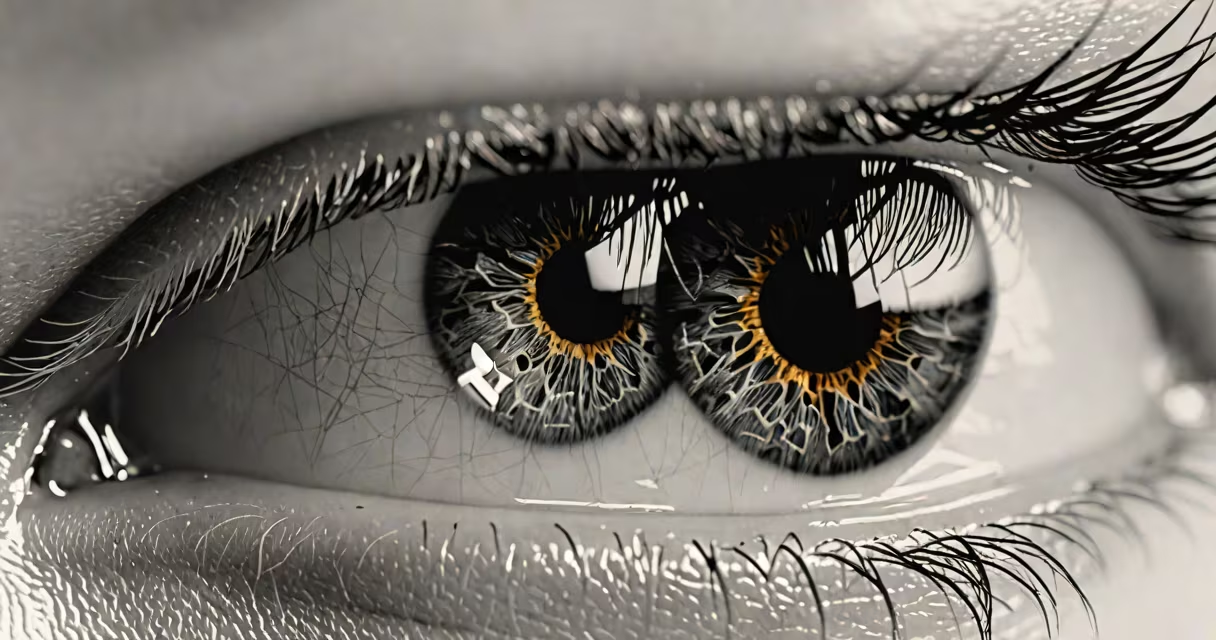
The cleanest part of your body is typically the eye. Its constant moisture, blinking mechanism, and antibacterial tears keep bacterial load low. While other areas have higher bacterial counts, the eye's environment makes it uniquely resistant to contamination.
The eye maintains cleanliness through several natural defenses. Tears contain lysozyme, an enzyme that breaks down bacterial cell walls. Blinking spreads these antimicrobial properties across the surface while washing away debris. The eyelids also act as barriers, preventing direct contact with contaminants.
Research from the Journal of Ocular Pharmacology and Therapeutics confirms that the ocular surface has lower bacterial counts compared to other body parts. This is due to the constant flushing action of tears and the lack of hair follicles or pores that can trap bacteria.
Most body surfaces host bacteria, but their concentrations vary. The table below compares bacterial loads across different body parts:
| Body Part | Bacterial Count (per square centimeter) |
|---|---|
| Eye | 10-100 |
| Forehead | 100-1,000 |
| Armpit | 10,000-100,000 |
| Mouth | 100-1,000,000 |
These numbers come from studies published in Microbiome, which analyzed microbial populations across various body sites.
Many people assume the mouth or hands are the cleanest parts of the body. However, the mouth hosts billions of bacteria, including harmful pathogens if not properly cared for. Hands, while often washed, still carry higher bacterial loads due to frequent contact with surfaces.
Another myth is that showering daily reduces bacterial load. While it removes some bacteria, it also strips beneficial microbes that protect the skin. Over-cleaning can lead to dryness and irritation, as noted by the American Academy of Dermatology.
To test this, I swabbed my eye, forehead, and armpit using sterile cotton swabs. After culturing them in a petri dish for 48 hours, the eye swab showed minimal bacterial growth, while the armpit swab had dense colonies. This aligns with scientific findings that the eye remains the cleanest area.
The eye's natural cleanliness also highlights the importance of not overusing antibacterial products. Disrupting the skin's natural microbiome can lead to resistance and imbalance. Proper hygiene focuses on targeted cleaning rather than eliminating all bacteria.