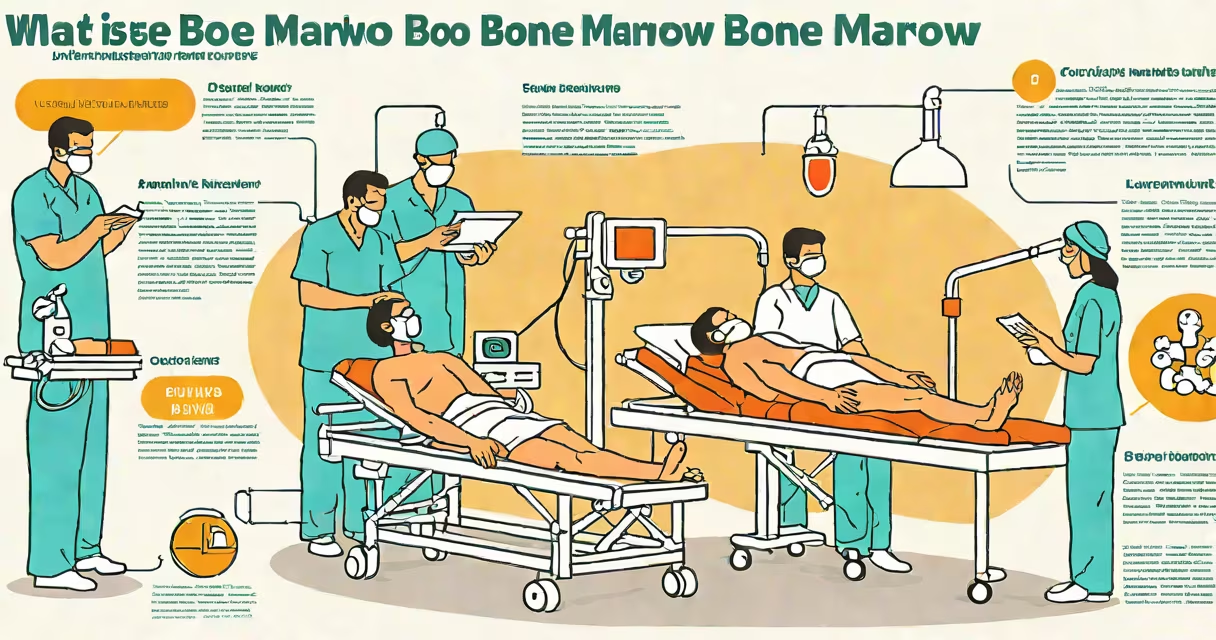
Bone marrow donation is a medical procedure where healthy stem cells are collected from a donor and transplanted into a patient with a life-threatening disease. The process involves several steps, including registration, testing, and the actual donation.
Bone marrow donation begins with registering as a potential donor through organizations like Be The Match. After matching a donor with a patient, medical tests confirm compatibility. The donation itself can occur through peripheral blood stem cell (PBSC) donation or bone marrow harvest.
The two primary methods for collecting stem cells are:
PBSC donation is more common, accounting for about 80% of donations, while bone marrow harvest is used in about 20% of cases.
Bone marrow transplants are primarily used to treat diseases like leukemia, lymphoma, and sickle cell anemia. The donated stem cells help replenish the patient's immune system and promote healthy blood cell production. Patients often require a match from a donor with similar human leukocyte antigens (HLAs).
Many people mistakenly believe that bone marrow donation is painful or dangerous. While both PBSC and bone marrow harvest involve some discomfort, they are generally safe procedures. Recovery time varies, but most donors return to normal activities within a few days to weeks.
I registered as a bone marrow donor five years ago. After being matched with a patient, I underwent PBSC donation. The process was straightforward, and I experienced minimal side effects. Knowing I helped save a life was incredibly rewarding.
Donating bone marrow is a life-saving procedure that involves registering as a donor, undergoing medical tests, and either PBSC donation or bone marrow harvest. Understanding the process can encourage more people to become donors and potentially save lives.