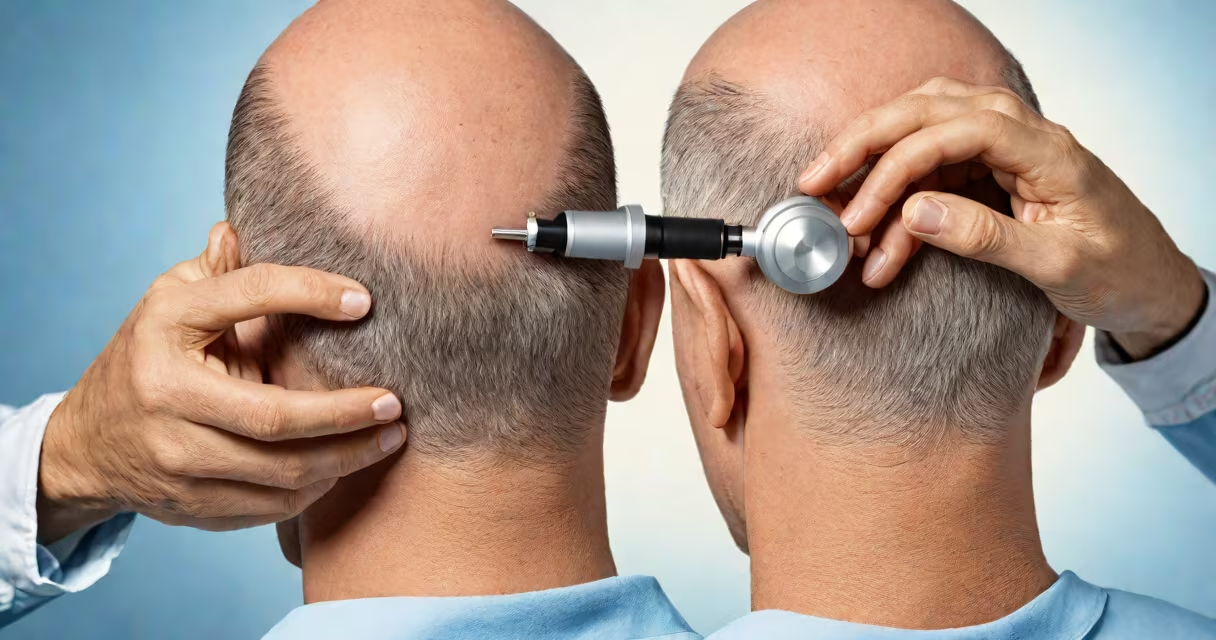
Alopecia treatments target hair loss causes, using medications, therapies, or surgery to regrow hair. Options depend on the alopecia type, severity, and underlying cause.
Most alopecia treatments stimulate hair follicles, slow hair loss, or promote regrowth. Some address autoimmune responses, while others target hormonal imbalances. Results vary by individual and treatment type.
| Treatment Type | Examples | Effectiveness |
|---|---|---|
| Topical Treatments | Minoxidil (Rogaine), corticosteroids | Moderate; works best for androgenetic alopecia |
| Oral Medications | Finasteride (Propecia), dutasteride | High for pattern baldness; less effective for other types |
| Injections | Corticosteroid injections | High for alopecia areata patches |
| Therapies | Platelet-rich plasma (PRP), low-level laser therapy | Variable; often used alongside other treatments |
| Surgery | Hair transplants, scalp reduction | Permanent for androgenetic alopecia |
Many believe alopecia treatments work universally, but effectiveness depends on the specific type. For example, minoxidil helps androgenetic alopecia but may not affect alopecia areata. Some think treatments are permanent, but most require ongoing use.
Alopecia areata often starts with small bald patches. Doctors typically prescribe corticosteroid injections directly into the patches. For widespread hair loss, oral corticosteroids or topical immunotherapy may help. A study in the Journal of the American Academy of Dermatology found that 40% of patients regained hair within six months of treatment.
See a dermatologist if hair loss is sudden, patchy, or accompanied by itching or pain. Early intervention improves outcomes. Specialists can diagnose the alopecia type and recommend appropriate treatments.