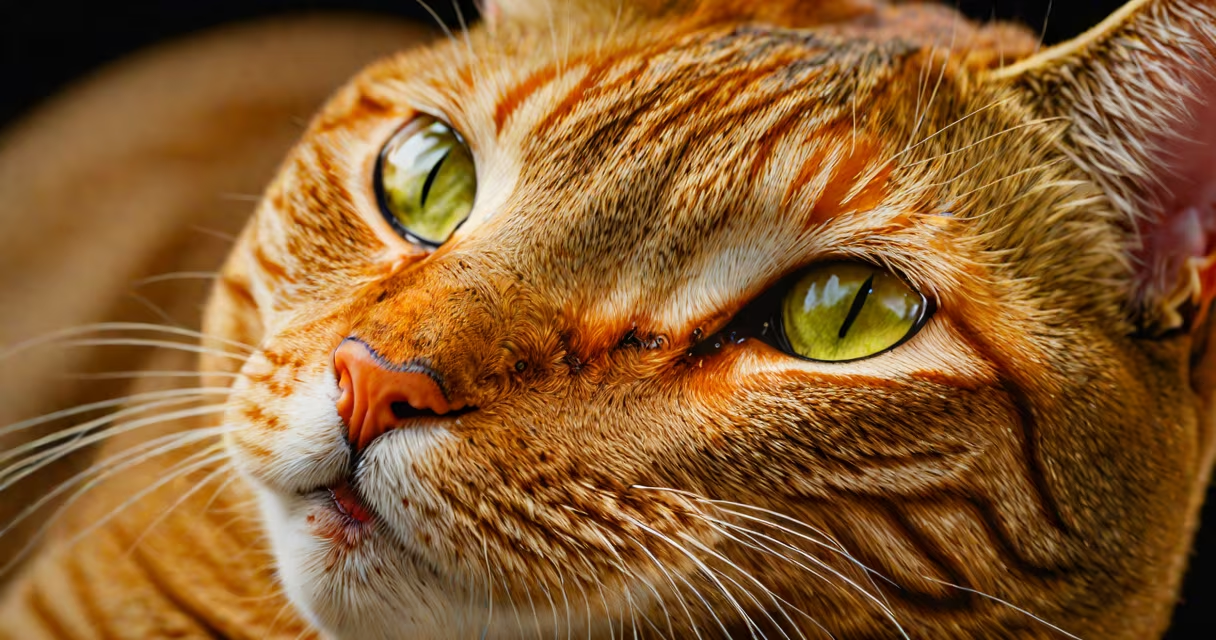
A cat's purr is a low-frequency vibration, typically between 20-140 Hz, that usually signals contentment but can also indicate stress or pain.
Cats produce purring sounds through rhythmic contractions of their laryngeal muscles, which vibrate as they breathe in and out. The frequency range overlaps with vibrations shown to promote healing in humans, suggesting evolutionary benefits for both cats and their young.
| Type | Context | Example |
|---|---|---|
| Contentment purr | Relaxed, happy moments | A cat curled on your lap |
| Solitude purr | Self-soothing when alone | A cat purring while sleeping |
| Stress purr | Pain or anxiety | A cat purring at the vet |
While often associated with happiness, cats also purr when sick, injured, or scared. Research suggests purring may help reduce stress and even aid in bone and tissue repair. A study published in the journal Current Biology found that purring frequencies align with those used in therapeutic vibration treatments.
I noticed my own cat's purring pattern changed when she was recovering from surgery-softer and more intermittent. After checking with her vet, we learned this was a sign of discomfort rather than relaxation.
Many assume purring always means a cat is happy. However, cats in distress often purr as a coping mechanism. If a cat purrs excessively while hiding or avoiding interaction, it may signal illness-a situation where consulting a veterinarian is wise.
Unlike tail flicks or ear movements, purring is harder to misinterpret because it lacks visual cues. However, pairing purring with body language-such as kneading or slow blinks-confirms positive emotions. For more on tail signals, read about what cat tail flicks mean.
Consult a vet if purring is accompanied by lethargy, loss of appetite, or unusual vocalizations. Chronic purring without clear triggers could indicate underlying health issues.