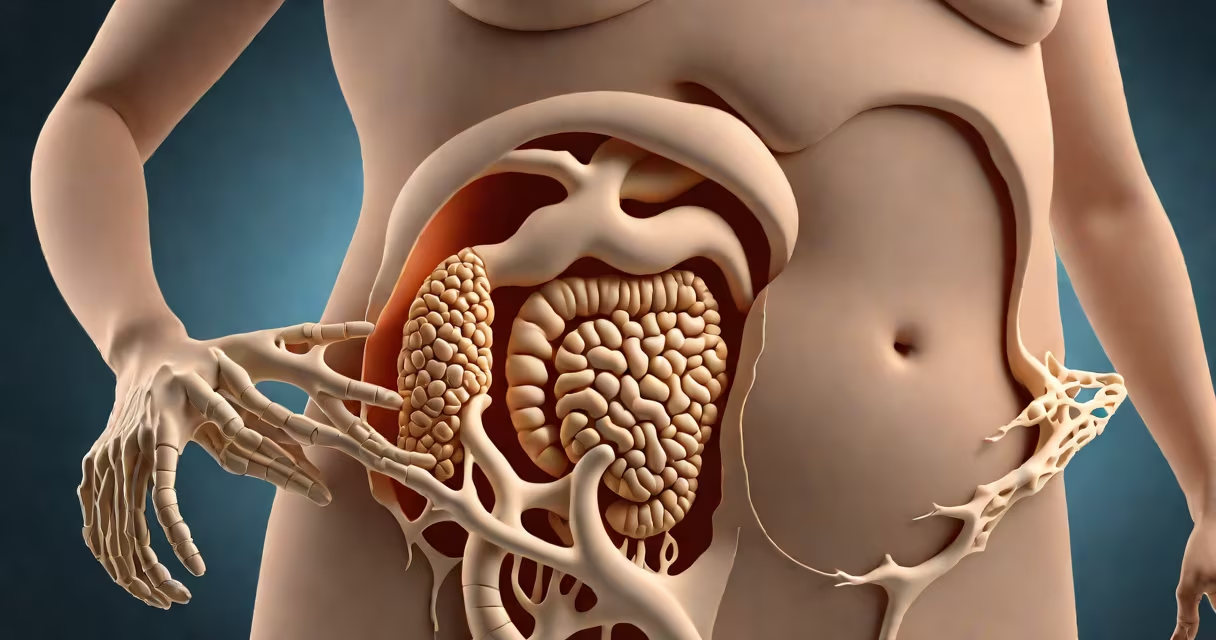
When your stomach hurts, it typically indicates digestive issues, food intolerances, or infections. Most cases are mild and resolve on their own, but persistent or severe pain may require medical attention.
Common causes of stomach pain
Stomach pain stems from various sources, ranging. The most frequent causes include:
Indigestion: Often triggered by eating too much or too quickly, spicy foods, or fatty foods
Gas: Trapped air in the digestive tract due to swallowing air or poor digestion
Constipation: Difficulty passing stool, often caused by low fiber intake or dehydration
Food poisoning: Caused by consuming contaminated food, leading to inflammation and cramping
Acid reflux: Stomach acid flowing back into the esophagus, causing burning pain
Stomach viruses: Such as norovirus or rotavirus, which cause inflammation and cramping
How stomach pain presents
Stomach pain can feel different depending on the cause. Common descriptions include:
Cramping: Intermittent, wave-like pains often associated with gas or diarrhea
Aching: Dull, constant pain that may indicate indigestion or constipation
Sharp pain: Sudden, intense pain that could signal a more serious issue like gallstones or appendicitis
Burning sensation: Often linked to acid reflux or peptic ulcers
When to see a doctor
Most stomach pain resolves within a few hours or days. However, seek medical attention if you experience any of these warning signs:
Pain lasting more than a few days
Severe pain that prevents normal activities
Pain accompanied by vomiting, especially with blood
Blood in stool or black, tarry stools
Difficulty breathing with the pain
Pain occurs after an injury to the abdomen
Pain accompanied by fever
How to alleviate mild stomach pain
For mild stomach pain, try these home remedies:
Rest: Lie down and relax to allow your digestive system to settle
Hydration: Sip water slowly to prevent dehydration
Diet adjustments: Eat bland foods like toast, rice, or bananas until symptoms improve
Avoid triggers: Steer clear of spicy, fatty, or acidic foods that may worsen discomfort
Over-the-counter medications: Antacids for acid reflux or anti-diarrheal medications for loose stools