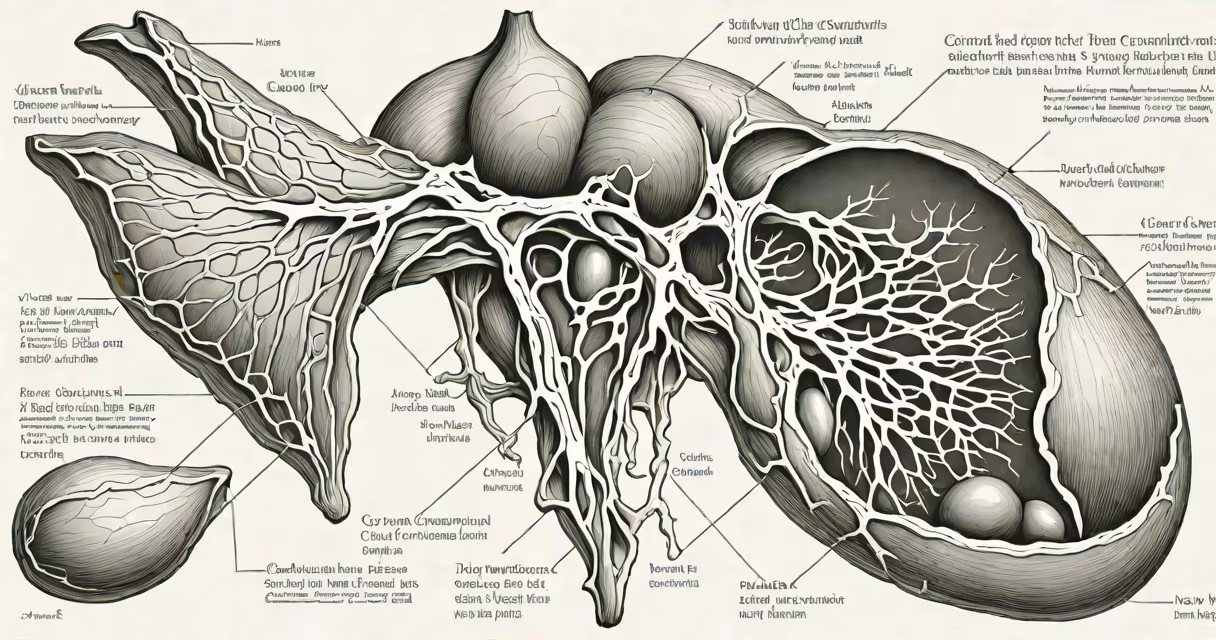
Gallbladder pain, or biliary colic, occurs when gallstones block the bile ducts or inflame the gallbladder. This sharp, sudden pain typically strikes after eating fatty foods.
The gallbladder stores bile produced by the liver, releasing it to aid digestion. When gallstones form-hard deposits of cholesterol or bilirubin-they can obstruct ducts or irritate the gallbladder wall. This obstruction triggers intense pain, often felt in the upper-right abdomen.
Gallbladder pain stems from several conditions:
According to the American College of Gastroenterology, gallstones are the primary reason for gallbladder removal surgeries.
Pain often radiates to the right shoulder or back. Other symptoms include nausea, vomiting, and bloating. Jaundice (yellow skin/eyes) signals bile duct blockage. Unlike muscle cramps, gallbladder pain doesn't ease with movement.
Consult a doctor if pain lasts over five hours, worsens, or accompanies fever. Untreated blockages can cause organ damage. My aunt ignored persistent pain for weeks-her gallbladder had to be removed urgently.
| Condition | Key Symptom | Duration |
|---|---|---|
| Gallstones | Sudden, sharp pain | 30 minutes to hours |
| Cholecystitis | Persistent ache | Days |
| Bile Duct Obstruction | Jaundice + pain | Variable |