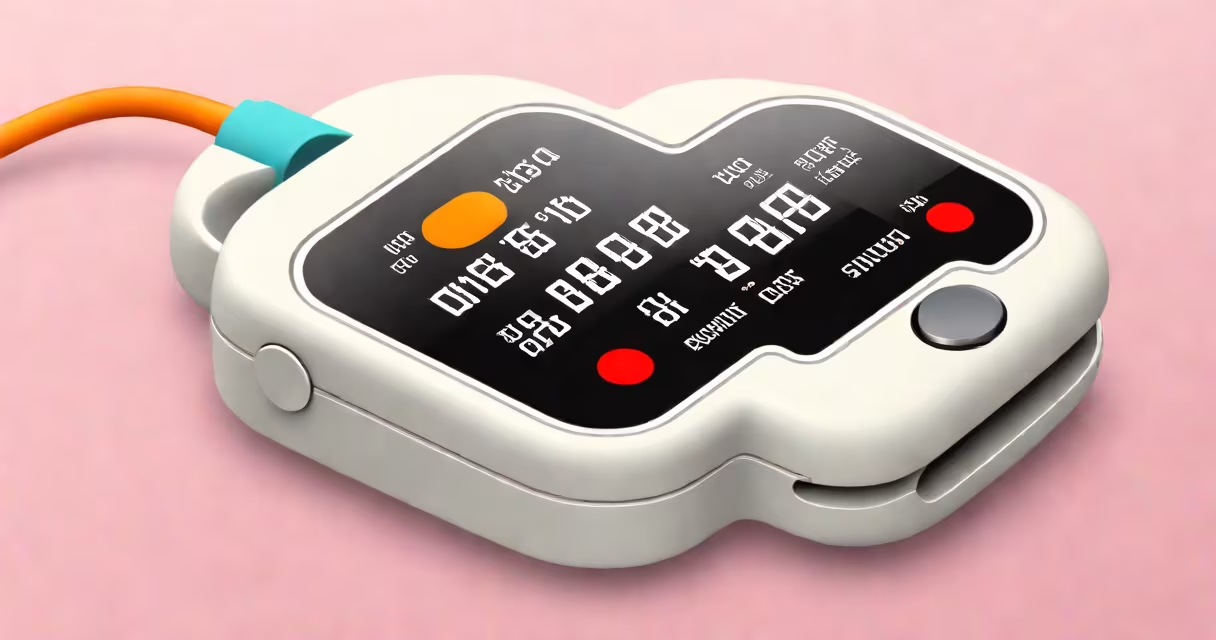
Oxygen saturation measures how much hemoglobin in your blood carries oxygen. A healthy person's oxygen saturation typically ranges between 95% and 100%. This measurement helps assess lung function and oxygen delivery to tissues.
Oxygen saturation is measured using a pulse oximeter, a small device clipped onto your finger. It sends light beams through your finger to measure how much oxygen is in your blood. The device then displays your oxygen saturation level as a percentage.
The normal oxygen saturation range for most people is 95% to 100%. Levels below 90% may indicate a problem, especially if you're experiencing symptoms like shortness of breath or dizziness. Chronic conditions like COPD can affect oxygen saturation levels, often requiring monitoring and treatment.
There are two primary ways to measure oxygen saturation:
Oxygen saturation is measured in various settings, including hospitals, clinics, and homes. Doctors use it to monitor patients with respiratory conditions, heart problems, or during surgeries. Athletes and high-altitude travelers also use it to ensure their oxygen levels remain safe.
For example, someone with chronic obstructive pulmonary disease (COPD) might use a pulse oximeter daily to track their oxygen levels. If levels drop below 90%, they may need supplemental oxygen therapy. In hospitals, nurses and doctors continuously monitor oxygen saturation during surgeries to ensure the patient's important organs receive adequate oxygen.
One common misconception is that oxygen saturation levels are the same for everyone. However, factors like altitude, age, and underlying health conditions can affect what's considered normal. For instance, people living at high altitudes may have slightly lower oxygen saturation levels due to the thinner air.
Another mistake is assuming that a pulse oximeter reading above 90% always means everything is fine. While this is generally true, it's essential to consider other symptoms and medical history. A person with COPD might feel unwell even if their oxygen saturation is within the normal range because their body is used to higher levels.
Imagine a 65-year-old man with COPD uses a pulse oximeter at home. His reading shows 88%. According to the normal range, this is below the optimal level. He might need to contact his doctor for further evaluation or adjust his oxygen therapy. However, a healthy 30-year-old athlete at sea level might have a reading of 98%, indicating good oxygen saturation.
In another scenario, a nurse monitors a patient's oxygen saturation during surgery. The reading drops to 85%, prompting the nurse to alert the anesthesiologist. The team might adjust the patient's oxygen supply or take other measures to improve oxygen levels. This example highlights the importance of continuous monitoring in medical settings.