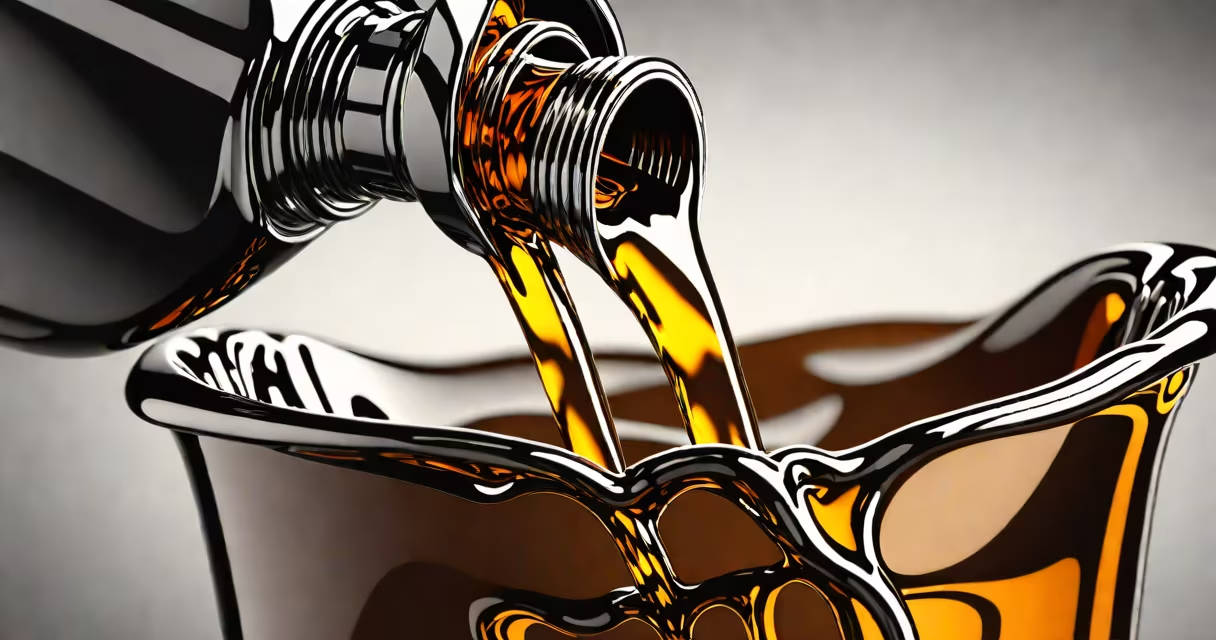
To determine what motor oil you should use, check your vehicle's owner's manual for the recommended viscosity grade and oil type. Most cars require 5W-30 or 10W-40 synthetic or synthetic-blend oil, but specifications vary by make, model, and driving conditions.
Motor oil lubricates your engine's moving parts, reducing friction and heat. It also cleans contaminants, prevents corrosion, and improves fuel efficiency. The right oil ensures optimal performance and extends engine life.
Motor oils fall into four categories:
Oil viscosity indicates its thickness at different temperatures. The Society of Automotive Engineers (SAE) defines grades like 5W-30, where the number before "W" (winter) shows cold-weather performance, and the number after shows thickness at operating temperature.
For example, 5W-30 oil flows well in cold starts (5W) and maintains thickness at high temperatures (30). Most passenger cars use multi-grade oils like 5W-30 or 10W-40.
Most manufacturers recommend changing oil every 5,000 to 7,500 miles for conventional oil and 7,500 to 10,000 miles for synthetic oil. However, severe driving conditions-such as frequent short trips, extreme heat, or dusty environments-may require more frequent changes.
Check your owner's manual for specific intervals. Some modern vehicles use oil-life monitoring systems that alert you when it's time for a change.
Many drivers assume thicker oil is always better, but using the wrong viscosity can harm your engine. For example, thick oil in cold weather may not flow properly, causing poor lubrication during startup. Conversely, thin oil in hot climates may not protect against heat and friction.
Another mistake is ignoring manufacturer recommendations. Using the wrong oil type or grade can void warranties and lead to engine damage. Always follow the guidelines in your vehicle's manual.
After an oil change, don't throw away the old oil. It can be recycled or repurposed. Many auto shops accept used oil for proper disposal. Some people reuse it for non-engine applications, such as lubricating tools or machinery. However, never dump used oil on the ground or pour it down drains, as it can contaminate soil and water.
Always consult your vehicle's owner's manual for the correct motor oil type and viscosity. If you're unsure, ask a trusted mechanic or refer to resources like Mobil's oil selector tool for guidance. Using the right oil keeps your engine running smoothly and prevents costly repairs.