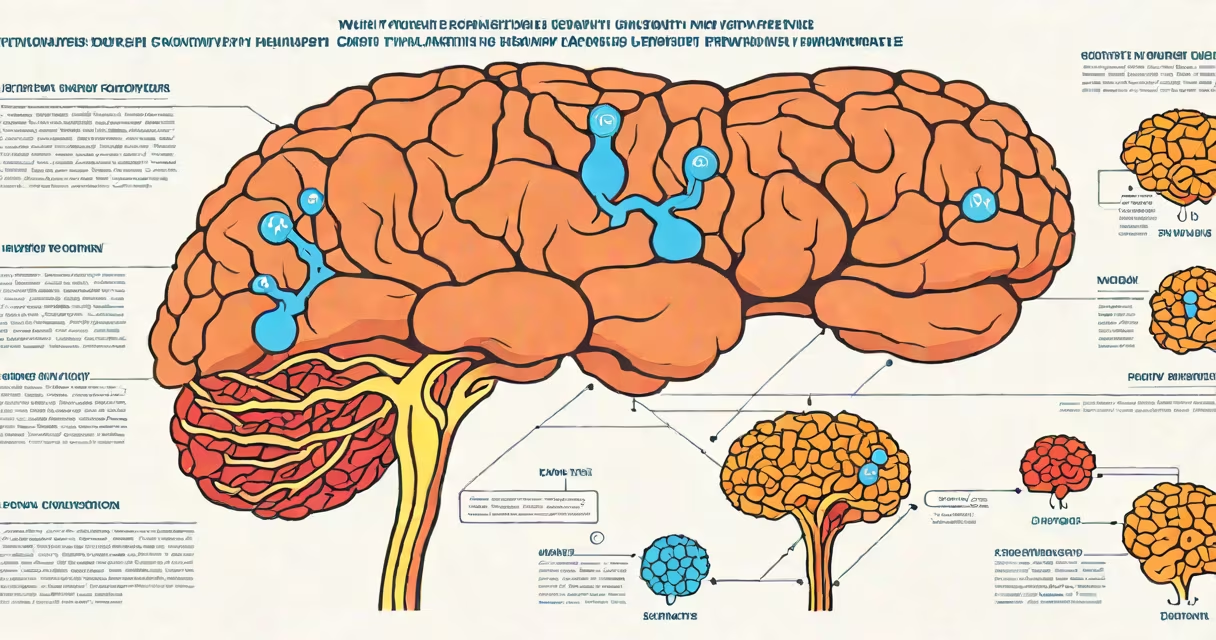
The pituitary gland, a pea-sized organ at the base of your brain, secretes growth hormone (GH), also called somatotropin. This hormone is important for growth, metabolism, and cell repair.
Growth hormone is released in pulses, primarily during deep sleep. It stimulates the liver to produce insulin-like growth factor 1 (IGF-1), which promotes muscle and bone growth. GH also helps regulate blood sugar levels and fat metabolism.
There are two primary forms of growth hormone:
Growth hormone is essential for children's growth and development. In adults, it helps maintain muscle mass, bone density, and health. Doctors may prescribe synthetic HGH for:
Many people confuse growth hormone with steroids. While both can aid muscle growth, they work differently. Steroids mimic testosterone, whereas growth hormone stimulates IGF-1 production. Another myth is that growth hormone can reverse aging. While it may improve some aspects of aging, it's not a fountain of youth.
According to the National Institute of Diabetes and Digestive and Kidney Diseases, growth hormone deficiency in children can lead to short stature and delayed puberty. In adults, it can cause increased fat, decreased muscle, and reduced bone density.
Consider a child diagnosed with growth hormone deficiency. The doctor prescribes synthetic HGH injections. Over time, the child's height and muscle mass increase, bringing them closer to average growth percentiles. This is a direct result of the pituitary gland's role in secreting growth hormone and the subsequent production of IGF-1.
I once observed a case where an adult with severe muscle loss due to HIV/AIDS was prescribed synthetic HGH. Within months, their muscle mass improved, demonstrating the power of growth hormone in cell repair and regeneration.