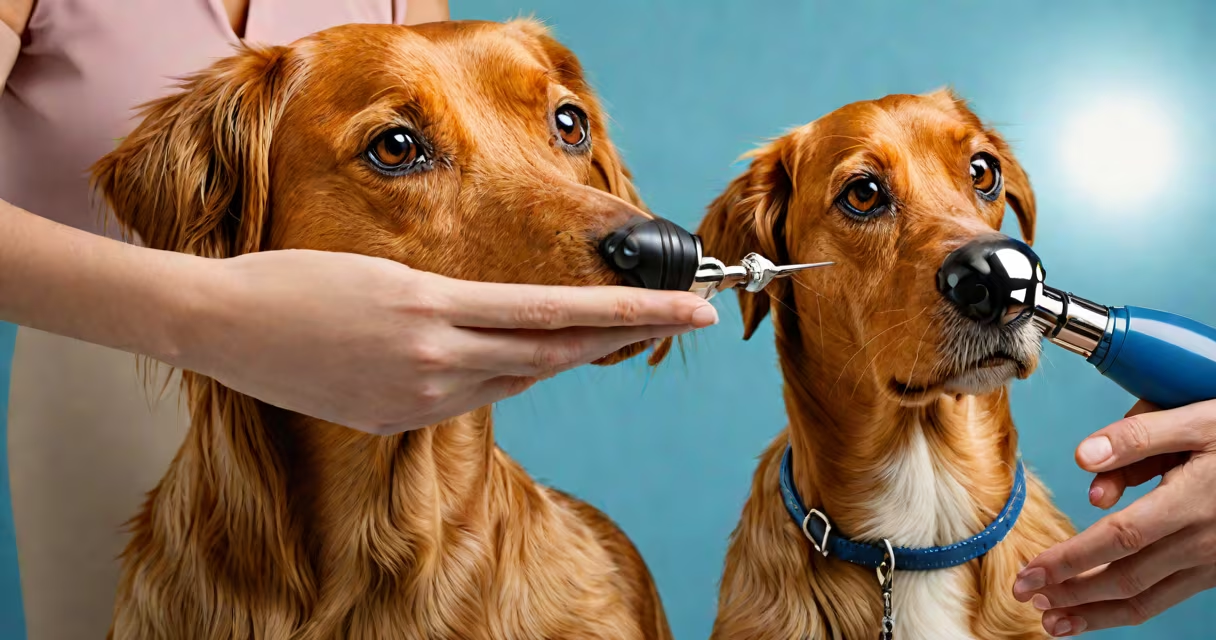
Dogs need specific vaccinations to prevent infections during grooming, including rabies, distemper, parvovirus, and kennel cough. These shots protect against diseases transmitted through contact with other animals or contaminated environments.
Grooming involves close contact with other dogs and shared equipment, increasing the risk of disease transmission. Vaccinations create immunity, reducing the likelihood of infection. Unvaccinated dogs are at higher risk of contracting and spreading illnesses.
The core vaccinations recommended for dogs include:
Non-core vaccinations may be recommended based on a dog's lifestyle and environment, such as leptospirosis or lyme disease.
Puppies typically receive their first vaccinations at 6-8 weeks, followed by booster shots every 2-4 weeks until they are 16 weeks old. Adult dogs require annual or bi-annual boosters to maintain immunity. Consult a veterinarian to determine the best vaccination schedule for your dog.
To vaccinations, regular health check-ups and parasite prevention are essential for maintaining a dog's health. Flea, tick, and heartworm prevention can help protect dogs from common grooming-related pests.
For cat owners, understanding the necessary vaccinations for cats is equally important. Learn more about what shots cats need to ensure your feline friends stay healthy.
Vaccinations are a important aspect of responsible pet ownership, ensuring the health and safety of both dogs and their owners. By staying up-to-date on vaccinations, you can help protect your dog from preventable diseases and enjoy peace of mind during grooming sessions.