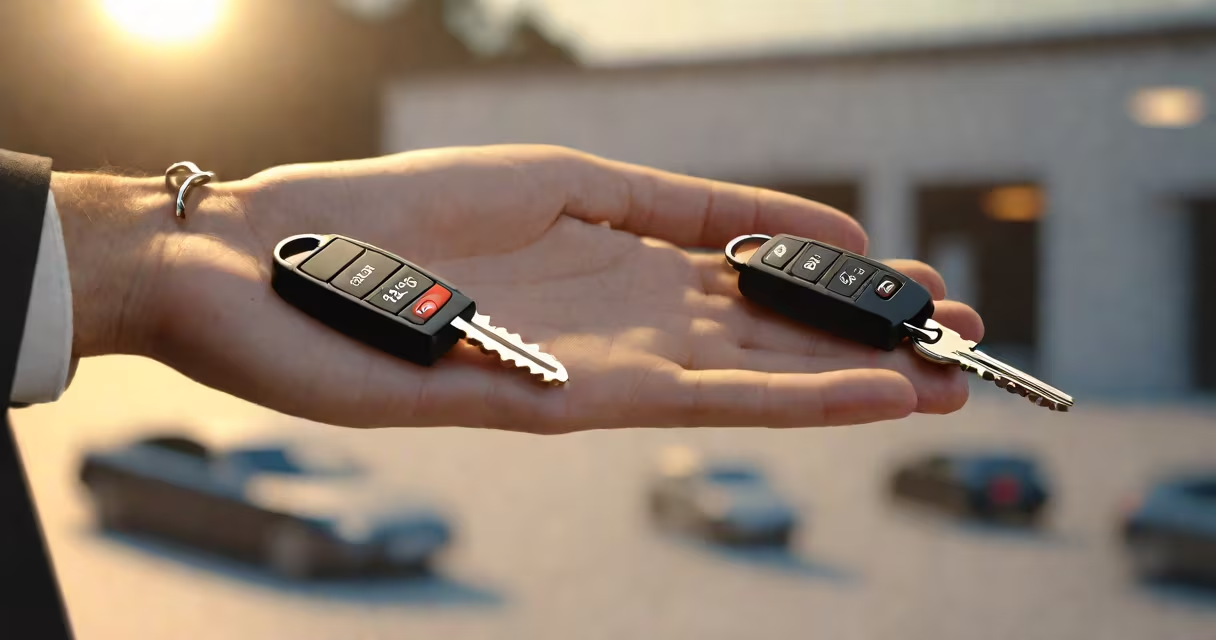
When deciding what to trade in, you're evaluating which of your assets-usually a vehicle-to exchange for credit toward a new purchase. This process involves assessing your current asset's value, market conditions, and your financial goals.
Trade-ins simplify buying a new car by using your old vehicle's value as a down payment. Dealers handle paperwork and resale, offering convenience but often lower payouts than private sales. The trade-in value is determined by factors like the car's condition, mileage, and market demand.
Most trade-ins involve vehicles, but other assets like electronics or collectibles can sometimes be traded. For cars, the primary types are:
| Type | Description | Typical Value |
|---|---|---|
| Standard Vehicle | Daily driver with average wear | $5,000-$20,000 |
| Luxury Vehicle | High-end models with premium features | $20,000-$50,000+ |
| Classic Car | Vintage or collectible vehicles | Varies widely; often $30,000+ |
For example, trading in a 2018 BMW 3 Series typically yields higher value due to brand loyalty and demand. Check BMW trade-in values for precise estimates.
Trade-ins primarily occur at car dealerships during new or used vehicle purchases. They offer immediate value application toward the new purchase, simplifying transactions. However, private sales often yield higher returns. According to Kelley Blue Book, trade-in values average 10-20% less than private sale prices.
Many assume trade-ins only apply to cars, but boats, motorcycles, and even high-value electronics can be traded. Another myth is that trade-in values are non-negotiable; dealers often adjust offers based on demand or your negotiation skills. Always research fair market values using tools like NADA Guides before accepting an offer.
When trading in my 2016 Honda Accord, I researched its value using Kelley Blue Book and found offers varied by $1,500 across different dealers. Negotiating based on competing offers increased my final trade-in value by $1,200.
If unsure whether to trade in or sell privately, consider your time and effort. Trade-ins save hassle but may cost you money. For a detailed guide on trading in your car, see how e-trade-ins work.
Deciding what to trade in depends on your priorities: convenience versus maximum profit. Weigh these factors carefully to make an informed choice.