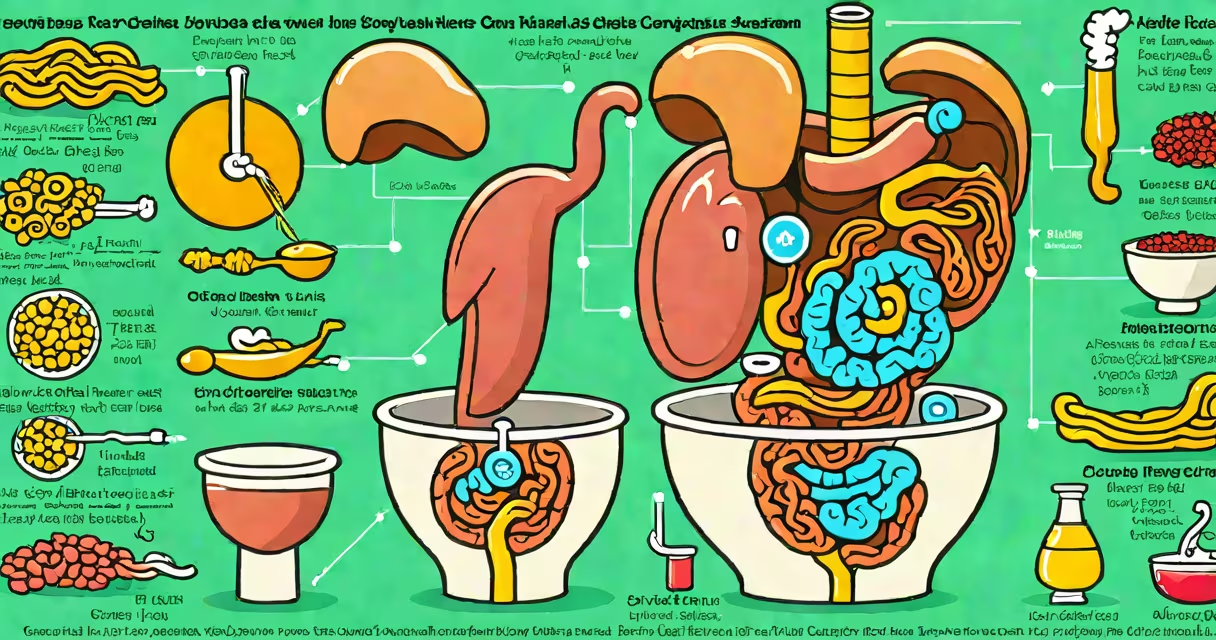
Bowel movements result from food passing through your digestive system, stimulated by factors like food composition, hormones, and nerve signals. The process involves mechanical and chemical digestion, absorption, and waste elimination.
The digestive process begins in the mouth and ends in the rectum. Food travels through the esophagus to the stomach, where it's broken down mechanically and chemically. It then moves into the small intestine for nutrient absorption and finally into the large intestine for water absorption and waste formation.
As food moves through the large intestine, water is absorbed, and the remaining material becomes more solid, forming stool. When the stool reaches the rectum, stretch receptors signal the brain to initiate a bowel movement.
Several factors can stimulate bowel movements:
Many people believe that bowel movements should occur daily. However, the frequency of bowel movements varies widely among individuals. Some people may have bowel movements several times a day, while others may have them only a few times a week. As long as the stool is soft and passed without straining, the frequency is not as important as consistency and comfort.
Another misconception is that certain foods always cause diarrhea. While some foods, like spicy or fatty foods, can speed up digestion and stimulate bowel movements, they don't always cause diarrhea. The body's response to food depends on various factors, including individual tolerance, gut health, and diet.
The gastrocolic reflex is a classic example of how food triggers bowel movements. When you eat, the stretching of the stomach lining sends signals to the colon, stimulating contraction and movement of stool toward the rectum. This reflex is why many people feel the urge to have a bowel movement shortly after eating.
For example, imagine you've had a big lunch. As your stomach fills with food, it stretches and sends signals to your colon. The colon responds by contracting and moving stool toward the rectum. If you've eaten a high-fiber meal, the stool may be bulkier and move more quickly, increasing the urge to have a bowel movement.
While occasional changes in bowel movements are normal, persistent changes may indicate an underlying condition. If you experience chronic diarrhea, constipation, or other symptoms like blood in the stool, abdominal pain, or weight loss, see a doctor. These symptoms can indicate conditions like irritable bowel syndrome, inflammatory bowel disease, or other gastrointestinal disorders.
In my experience, paying attention to your body's signals and maintaining a healthy diet can help promote regular bowel movements. If you're concerned about your bowel habits, talk to your doctor. They can help you identify any underlying issues and develop a treatment plan.
For more information on what makes you poop, check out our articles on why eating makes you poop and why nicotine makes you have to poop.