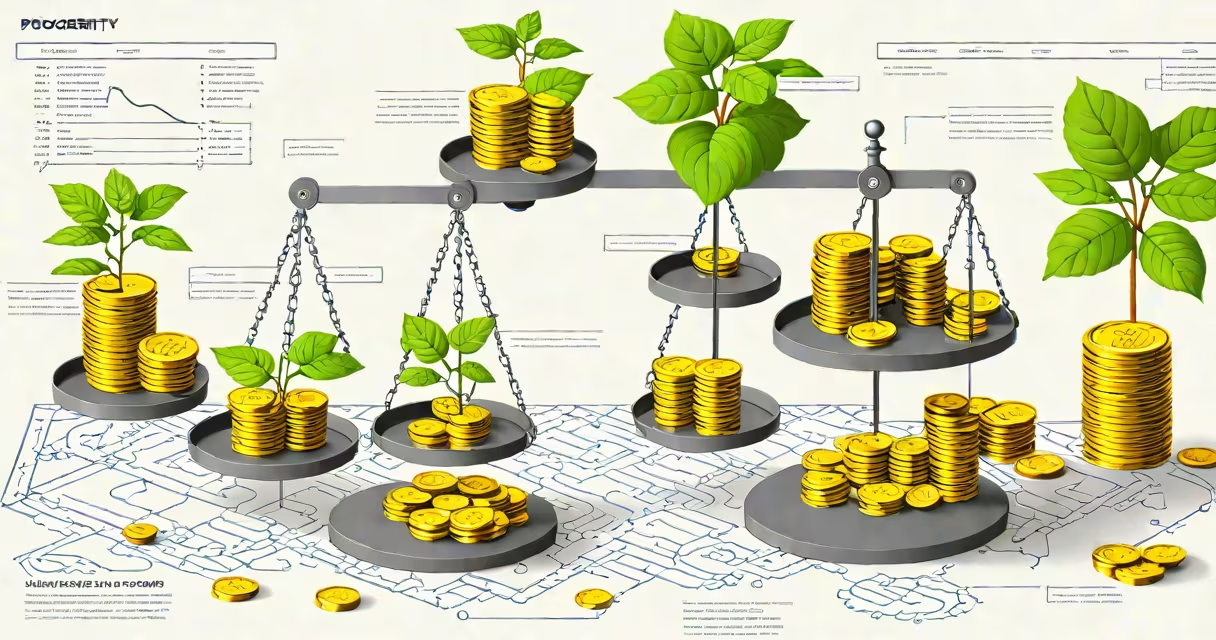
Prosperity means flourishing in ways that matter most to you. It's not just about money-though financial health is part of it-but also about well-being, relationships, and personal growth.
Prosperity is a state of thriving. Unlike mere wealth, which focuses on financial assets, prosperity encompasses emotional, social, and spiritual well-being. For example, someone with modest savings but strong family ties and fulfilling work may feel more prosperous than a billionaire with no time for loved ones.
The United Nations Development Programme (UNDP) measures prosperity through the Human Development Index (HDI), which includes life expectancy, education, and standard of living. This shows that prosperity is multifaceted.
Prosperity comes in different forms. Here are the key types:
| Type | Definition | Example |
|---|---|---|
| Financial | Having enough money to meet needs and wants | A stable income covering bills plus savings |
| Emotional | Feeling happy, secure, and fulfilled | Enjoying hobbies and spending time with loved ones |
| Social | Strong, supportive relationships | A close-knit community or a tight family bond |
| Spiritual | Finding purpose and inner peace | Meditation, religious practice, or volunteering |
Prosperity matters everywhere-at home, work, and in society. A prosperous person feels secure, valued, and capable of growth. Societies with high levels of prosperity tend to have lower crime rates, better health outcomes, and higher productivity.
For instance, countries like Norway and Switzerland rank high in global prosperity indices due to their strong social systems, education, and healthcare. These factors contribute to well-being beyond financial metrics.
Many people confuse prosperity with wealth. While money is part of it, prosperity is broader. Another misconception is that prosperity is static-it's not. It can grow or shrink based on choices and circumstances.
For example, someone might lose their job (financial setback) but find new purpose in volunteering (spiritual gain). Their prosperity could remain stable or even improve despite the financial hit.
Achieving prosperity requires balancing different areas of life. Start by setting clear goals in each area-financial, emotional, social, and spiritual. Track progress regularly and adjust as needed.
For instance, if financial prosperity is a goal, create a budget and stick to it. For emotional prosperity, schedule time for hobbies and relaxation. Social prosperity might involve joining a club or spending more time with family. Spiritual prosperity could mean practicing mindfulness or helping others.
Prosperity is personal. What works for one person may not work for another. The key is finding what brings fulfillment and working toward it consistently.