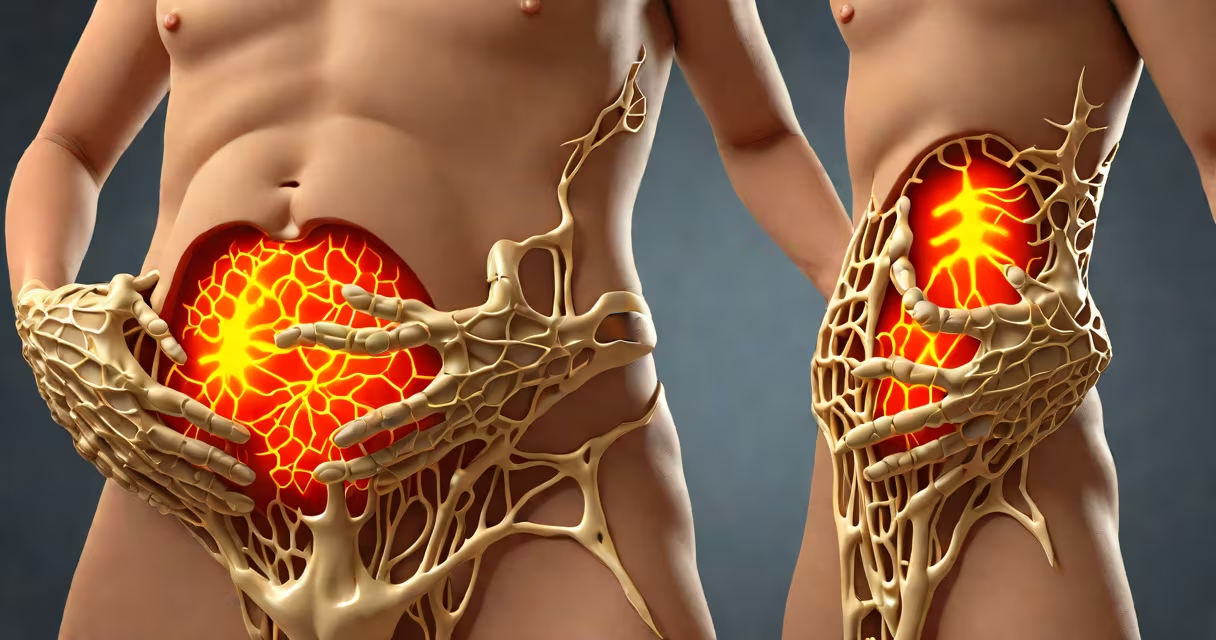
A gallstone attack occurs when a gallstone blocks the bile duct, causing sudden, severe pain in the upper right abdomen. Immediate steps include resting, applying heat, and seeking medical attention if pain persists.
Gallstones form when bile components harden in the gallbladder. An attack happens when a stone moves into the bile duct, blocking bile flow. This triggers intense pain, often after eating fatty foods. The pain typically lasts 1-5 hours but can persist longer if untreated.
| Type | Cause | Duration |
|---|---|---|
| Biliary colic | Gallstone blocks bile duct temporarily | 1-5 hours |
| Cholecystitis | Gallstone causes gallbladder inflammation | Hours to days |
| Choledocholithiasis | Gallstone blocks common bile duct | Ongoing until treated |
During a gallstone attack, lie down and apply a heating pad to the painful area. Avoid eating or drinking until the pain subsides. If pain persists beyond 5 hours, seek medical help immediately.
I once helped a friend during an attack by calling emergency services when her pain didn't improve after 6 hours. She later had her gallbladder removed.
Seek immediate medical attention if pain lasts more than 5 hours, spreads to the shoulder, or is accompanied by fever, nausea, or jaundice. These signs may indicate complications like cholecystitis or pancreatitis.
Doctors diagnose gallstone attacks through blood tests, ultrasounds, or CT scans. Treatment ranges from pain management to gallbladder removal surgery.
Many people think gallstone attacks are just bad indigestion. However, the pain is usually much more severe and localized to the upper right abdomen. Another myth is that only overweight people get gallstones, but thin individuals can develop them too.
According to the National Institute of Diabetes and Digestive and Kidney Diseases, about 20 million Americans have gallstones, and women are twice as likely to develop them as men.
For more on managing sudden health crises, see how to prepare for unexpected health events.