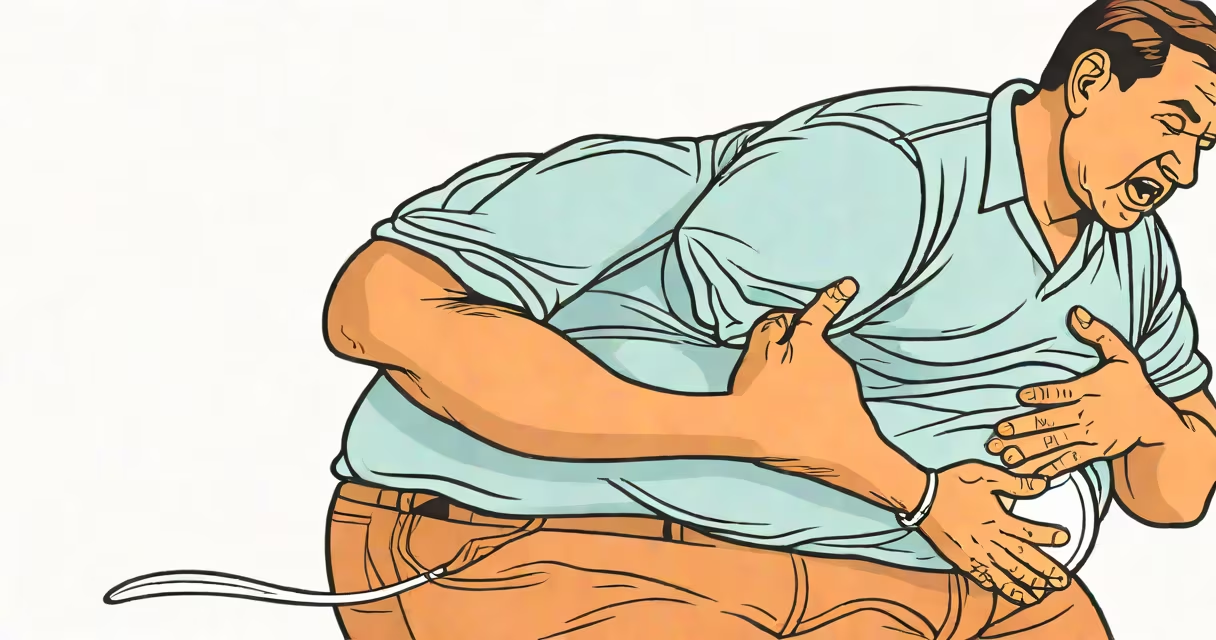
Indigestion pain is discomfort in your upper abdomen or chest caused by difficulty digesting food. It often feels like burning, fullness, or pressure. Treatment includes lifestyle changes, over-the-counter meds, and home remedies.
How Indigestion Pain Works
Indigestion occurs when your stomach produces too much acid or when food moves too slowly through your digestive system. This causes irritation and inflammation, leading to pain. Common triggers include spicy foods, fatty foods, alcohol, and stress.
Main Types of Indigestion Pain
Indigestion pain can manifest in several ways:
Burning sensation: Often felt in the upper abdomen or chest, similar to heartburn.
Fullness or bloating: A feeling of tightness or swelling in the stomach area.
Pressure or discomfort: A dull ache or pressure that may worsen after eating.
Common Causes and Triggers
Indigestion pain is typically caused by:
Eating too quickly or overeating
Consuming fatty, fried, or spicy foods
Drinking carbonated beverages or alcohol
Stress or anxiety
Smoking
Certain medications, such as NSAIDs and antibiotics, can also contribute to indigestion pain.
Immediate Relief Options
To alleviate indigestion pain quickly, try these remedies:
Antacids: Over-the-counter medications like Tums or Rolaids neutralize stomach acid.
H2 blockers: Drugs like Pepcid or Tagamet reduce acid production.
Prokinetics: Medications like Reglan help food move faster through the digestive system.
Home remedies: Ginger tea, peppermint oil, or chamomile tea can soothe the stomach.
Preventing Future Episodes
To avoid indigestion pain, adopt these habits:
Eat smaller, more frequent meals instead of large portions.
Avoid lying down immediately after eating.
Limit intake of known triggers like spicy or fatty foods.
Manage stress through relaxation techniques.
Quit smoking and limit alcohol consumption.
When to See a Doctor
Seek medical help if indigestion pain is severe, persistent, or accompanied by:
Severe abdominal pain
Persistent nausea or vomiting
Blood in stool or vomit
Unintentional weight loss
Difficulty swallowing
These symptoms could indicate a more serious underlying condition.