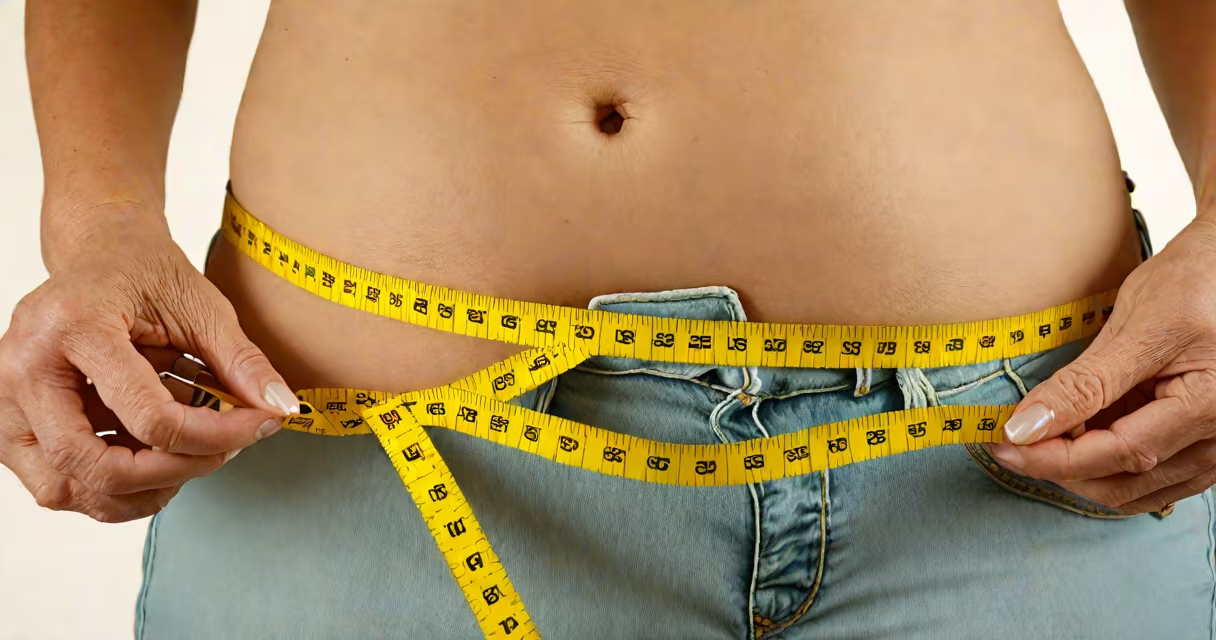
Menopause belly refers to the weight gain around the abdomen that many women experience during and after menopause due to hormonal changes. This occurs primarily because declining estrogen levels alter fat distribution, often increasing visceral fat around the midsection.
Before menopause, estrogen helps regulate fat storage, often concentrating fat in the hips and thighs. After menopause, lower estrogen levels cause fat to redistribute to the abdomen. This visceral fat is particularly concerning because it surrounds important organs and increases the risk of heart disease and type 2 diabetes.
To combat menopause belly, focus on a combination of diet, exercise, and lifestyle adjustments. Strength training builds muscle, which boosts metabolism. High-intensity interval training (HIIT) burns calories efficiently. A balanced diet rich in fiber, lean proteins, and healthy fats supports hormone balance.
For example, a study published in the journal Menopause found that postmenopausal women who combined strength training with a low-calorie diet lost more abdominal fat than those who only dieted. Another study in Obesity Reviews showed that HIIT workouts reduced visceral fat in postmenopausal women.
Many people believe that menopause belly is inevitable and untreatable. However, research shows that targeted exercise and dietary changes can effectively reduce this fat. Another myth is that only extreme diets work, but sustainable, moderate calorie reduction paired with regular exercise yields better long-term results.
I've seen this firsthand while working with clients going through menopause. A structured plan combining resistance training, cardio, and mindful eating helped them lose inches around their waists while improving health.
Managing stress through mindfulness practices like meditation or yoga can lower cortisol levels, reducing abdominal fat storage. Getting enough sleep is important, as poor sleep disrupts hunger hormones, leading to overeating. Staying hydrated and limiting processed foods also support hormone balance.
For instance, a study in the Journal of Clinical Endocrinology & Metabolism found that women who practiced stress-reducing techniques lost more abdominal fat than those who didn't. Similarly, research in Sleep Health showed that women who slept seven to nine hours nightly had lower body fat percentages.
If lifestyle changes aren't enough, consult a healthcare provider. Hormone replacement therapy (HRT) may help manage menopause symptoms, including weight gain. A registered dietitian or fitness trainer specializing in menopause can create a personalized plan for optimal results.