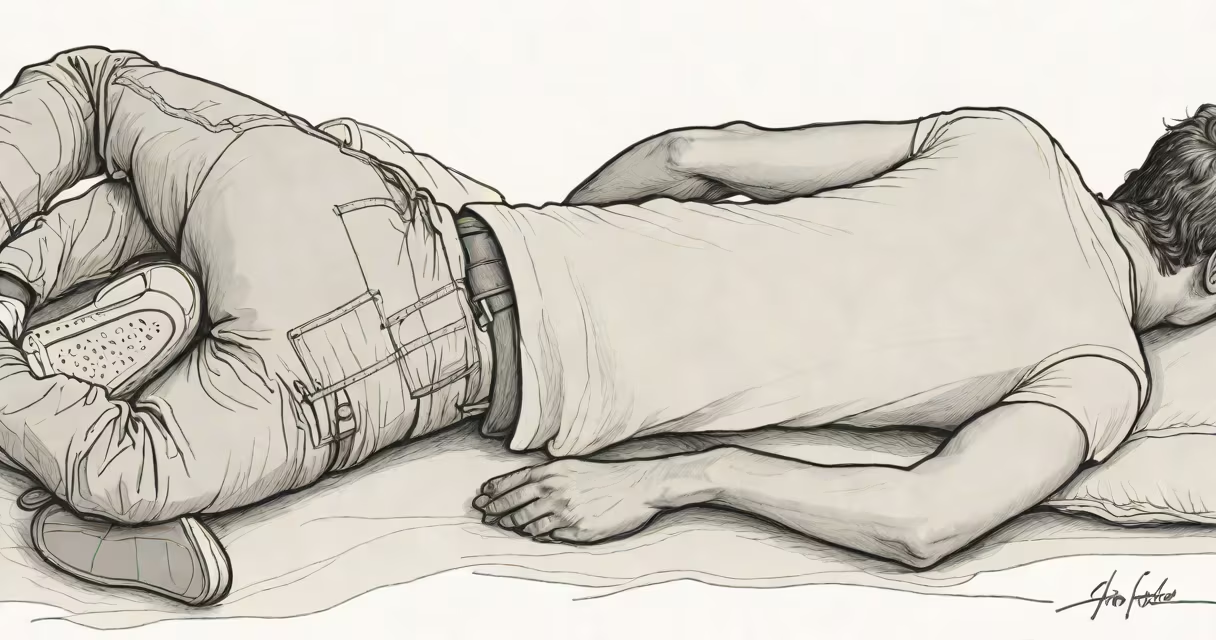
A pulled lower back, or lumbar strain, happens when muscles or ligaments in your lower back stretch too far or tear. Immediate treatment involves rest, ice, compression, and elevation (RICE) to reduce pain and swelling.
Lower back strains often result from sudden awkward movements, lifting heavy objects, or poor posture. The lumbar region bears most of your upper body's weight, making it prone to injury. According to the Mayo Clinic, overstretching these muscles causes micro-tears, leading to pain and inflammation.
| Type | Severity | Recovery Time |
|---|---|---|
| Grade I (Mild) | Overstretched muscles | 3-7 days |
| Grade II (Moderate) | Partial tearing | 1-4 weeks |
| Grade III (Severe) | Complete muscle tear | 6-8 weeks |
When you first pull your lower back, follow these steps:
After 48 hours, switch to heat therapy to improve blood flow and relax tight muscles.
Many people make the mistake of returning to strenuous activity too soon. Pushing through the pain can worsen the injury. Another error is relying solely on pain medication without addressing the underlying cause. Always combine medication with physical therapy or gentle stretching exercises.
Once the acute pain subsides, focus on strengthening your core and improving flexibility. Physical therapy exercises, such as pelvic tilts and lower back stretches, help prevent future injuries. According to WebMD, maintaining proper posture while sitting and lifting can also reduce the risk of recurrence.
Consult a healthcare professional if your pain persists beyond a few weeks, worsens, or is accompanied by numbness, tingling, or loss of bladder control. These symptoms may indicate a more serious condition requiring medical intervention.
If you're unsure whether your injury qualifies as a pulled muscle in the back, consult a doctor for an accurate diagnosis and treatment plan.