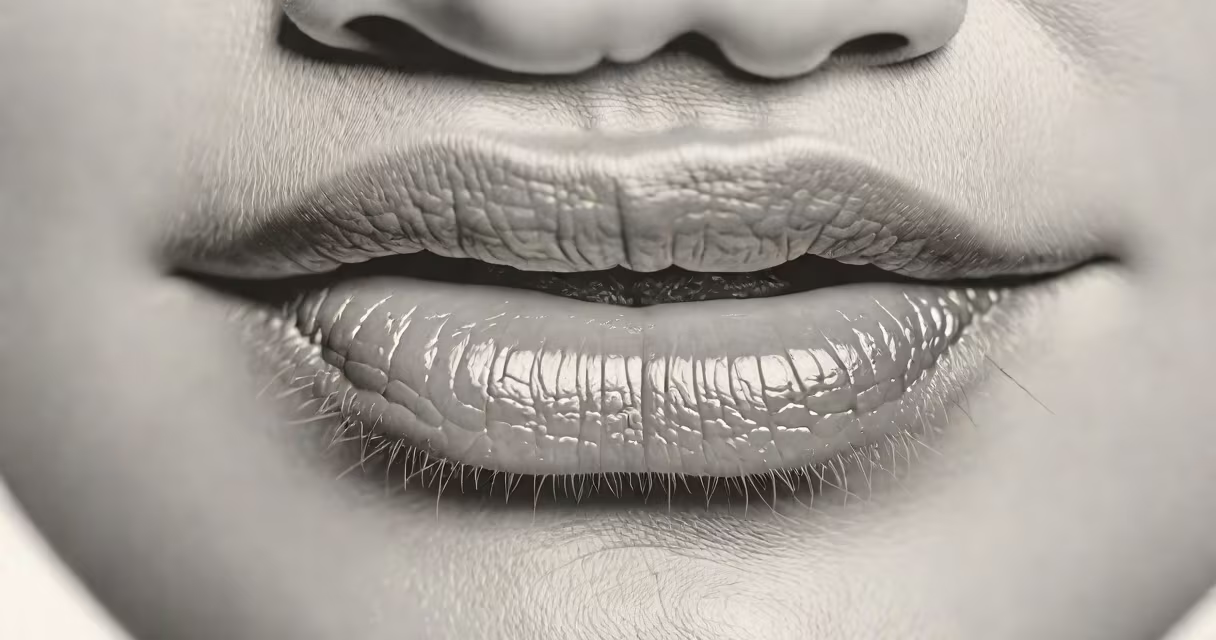
Fever blisters on lips, also called cold sores, are small, painful blisters caused by the herpes simplex virus type 1 (HSV-1). To treat them, apply antiviral creams like docosanol or penciclovir, which shorten healing time. Over-the-counter pain relievers and protective coverings can also help.
Fever blisters form when HSV-1 reactivates, often due to stress, illness, or sun exposure. The virus travels along nerve pathways to the skin, causing inflammation and fluid-filled blisters. These typically crust over within days and heal completely in 1-2 weeks.
| Treatment Type | Examples | Effectiveness |
|---|---|---|
| Antiviral Creams | Docosanol (Abreva), Penciclovir (Denavir) | Shortens healing time by 1-2 days |
| Pain Relief | Lidocaine, Benzocaine | Numbs pain temporarily |
| Protective Coverings | Medicated patches, Band-Aids | Prevents further irritation |
Avoid abrasive treatments like alcohol-based products, which can worsen irritation. Hot compresses may feel soothing but can prolong healing. Never pick or pop blisters, as this increases infection risk.
To prevent outbreaks, avoid triggers like excessive sun exposure and stress. Apply sunscreen to lips daily, even in winter. Antiviral medications like valacyclovir can reduce recurrence frequency when taken regularly.
Most people get fever blisters from close contact with someone shedding the virus. The virus spreads through saliva, shared utensils, or skin-to-skin contact. Once infected, the virus remains dormant in nerve cells and can reactivate periodically.
According to the American Academy of Dermatology, about 50% of Americans have HSV-1 by age 50. While there's no cure, antiviral treatments can manage symptoms effectively. For severe or frequent outbreaks, consult a doctor about prescription options.
I once treated a fever blister with docosanol cream within hours of feeling tingling on my lip. The blister never fully formed, and the discomfort disappeared within a day. Early intervention is key.