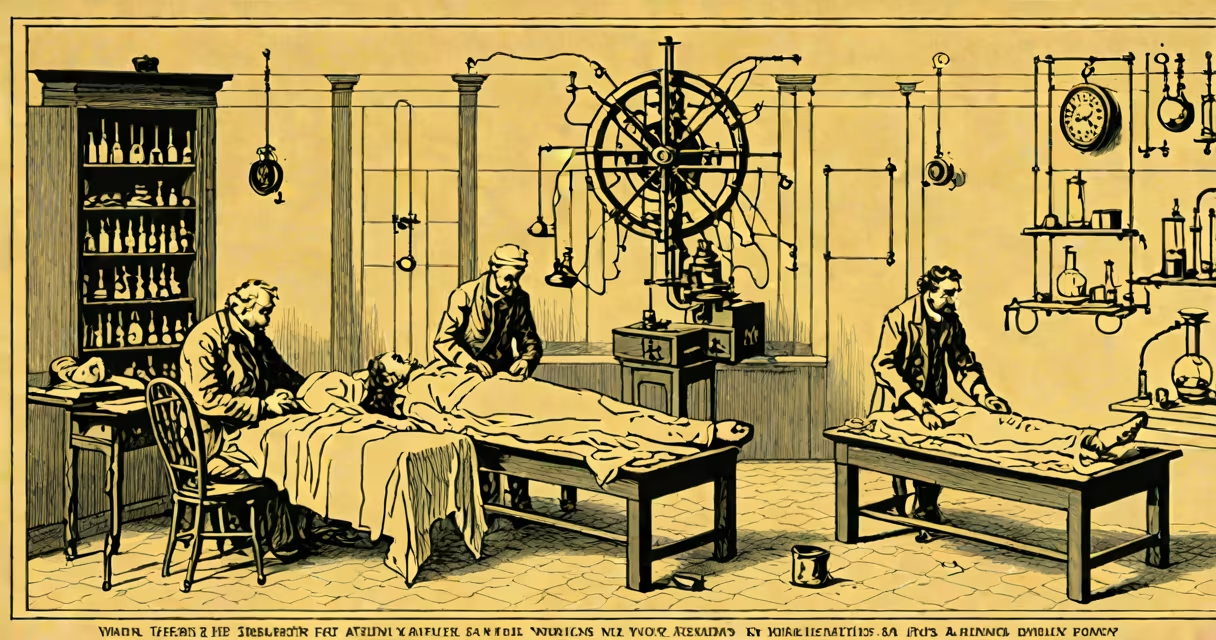
Smallpox was treated primarily through variolation and later vaccination. Variolation involved deliberately infecting people with mild smallpox strains to build immunity, while vaccination used cowpox virus to prevent smallpox.
Variolation, practiced in China as early as the 10th century and introduced to Europe in the early 18th century, involved exposing individuals to small amounts of smallpox material. This was done by scratching the skin or inhaling dried smallpox scabs. The process carried risks but often resulted in milder infections and immunity.
| Treatment Type | Method | Time Period |
|---|---|---|
| Variolation | Exposure to mild smallpox strains | 10th century onward |
| Vaccination | Use of cowpox virus | Late 18th century onward |
Edward Jenner's 1796 discovery that cowpox infection could prevent smallpox revolutionized public health. His method, using cowpox virus to induce immunity, became known as vaccination. This approach was safer and more effective than variolation, leading to widespread adoption and eventually global eradication of smallpox.
During a visit to the Jenner Museum in Berkeley, England, I saw Jenner's original notes and equipment used for vaccinations. Handling these artifacts provided a tangible connection to the medical breakthroughs that saved countless lives.