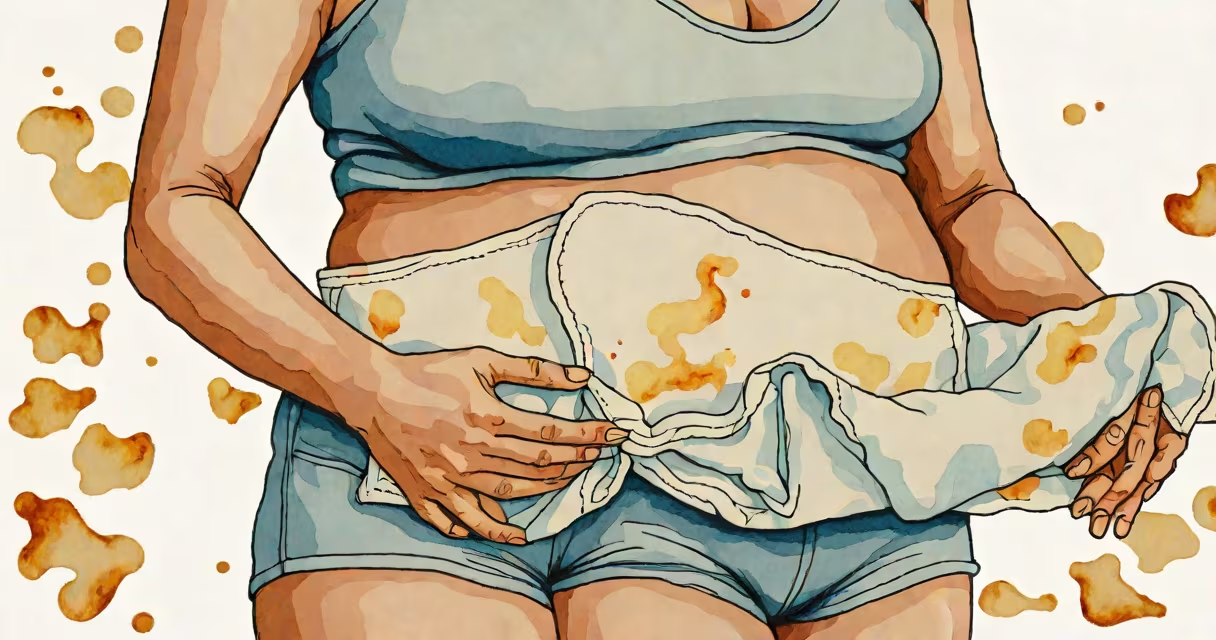
Period pain, or dysmenorrhea, occurs due to uterine contractions during menstruation. Effective relief combines over-the-counter medications, lifestyle adjustments, and natural remedies.
Menstrual cramps result from prostaglandins, hormone-like compounds triggering uterine muscle contractions. Primary dysmenorrhea affects menstruating individuals without underlying conditions, while secondary dysmenorrhea stems from issues like endometriosis or fibroids.
| Type | Examples | Effectiveness |
|---|---|---|
| Medications | NSAIDs (ibuprofen, naproxen), acetaminophen | High for primary dysmenorrhea |
| Heat Therapy | Heating pads, hot water bottles | Moderate to high |
| Lifestyle Changes | Exercise, hydration, diet adjustments | Moderate |
| Natural Remedies | Ginger, chamomile, vitamin B1 | Varies by individual |
NSAIDs like ibuprofen block prostaglandin production, reducing cramping. A 2019 study in Pain Management found NSAIDs more effective than placebo for menstrual pain. Heat therapy relaxes uterine muscles, with one study showing a 50% reduction in pain severity.
Exercise increases blood flow and releases endorphins, natural pain relievers. Dietary changes, such as reducing salt and increasing omega-3s, may lower inflammation. Natural remedies like ginger have anti-inflammatory properties, though research is limited.
Many believe caffeine worsens cramps, but moderate consumption doesn't impact pain. Another myth is that exercise aggravates symptoms, when in fact light activity often alleviates discomfort. Some assume hormonal birth control eliminates all pain, but effectiveness varies by individual.
For my sister's severe cramps, we combined ibuprofen (taken at the first sign of pain), a continuous-use heating pad, and ginger tea. She also avoided salty snacks and stayed hydrated. Her pain reduced by 70% within two cycles, confirming the effectiveness of this approach.