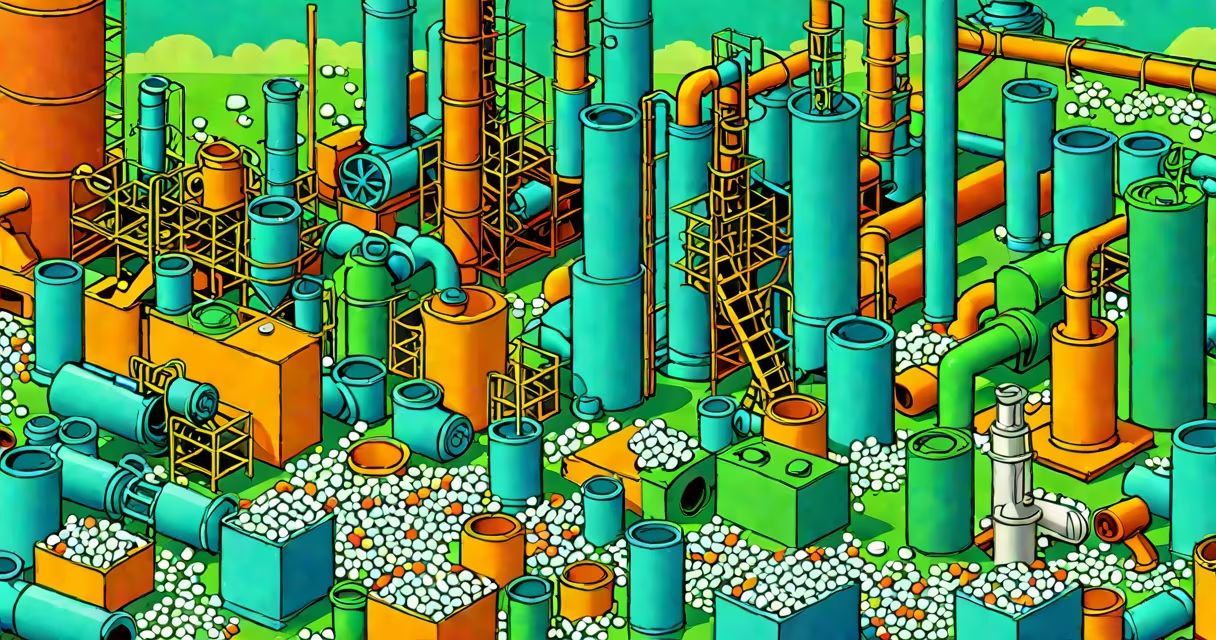
Plastic originates primarily from petroleum, a fossil fuel extracted from the earth. Most plastics are synthetic polymers created through chemical processes involving crude oil or natural gas.
Plastic production begins with refining crude oil to extract hydrocarbons. These are then converted into monomers, which are small molecules that can link together. The most common plastic, polyethylene, comes from ethylene monomers. Under heat and pressure, these monomers form long polymer chains, creating the plastic material we recognize.
The process typically involves:
| Type | Source Material | Common Uses |
|---|---|---|
| Polyethylene (PE) | Ethylene (from crude oil) | Packaging, containers, plastic bags |
| Polypropylene (PP) | Propylene (from crude oil) | Food containers, automotive parts |
| Polyvinyl Chloride (PVC) | Vinyl chloride (from ethylene) | Pipes, medical equipment |
| Polystyrene (PS) | Styrene (from benzene) | Insulation, disposable cups |
Many people believe all plastics come from plants, but most are petroleum-based. Bioplastics, made from renewable biomass sources like corn starch or sugarcane, make up less than 1% of plastic production globally. Even these often require petroleum-based additives for performance.
Another myth is that plastic is a single material. In reality, there are thousands of different plastic formulations, each with unique properties and uses. For example, the plastic used in a water bottle differs chemically from that in a car bumper.
Since plastic derives from finite fossil fuels, its production contributes to resource depletion. The process also emits greenhouse gases. According to the OECD, global plastic waste production reached 353 million tonnes in 2019, with less than 10% recycled. This highlights the environmental challenges posed by plastic's petroleum origins.
Understanding where plastic comes from reveals why it's both revolutionary and problematic. Its versatility stems from petroleum's unique chemical properties, but this also creates environmental concerns that continue to drive research into sustainable alternatives.