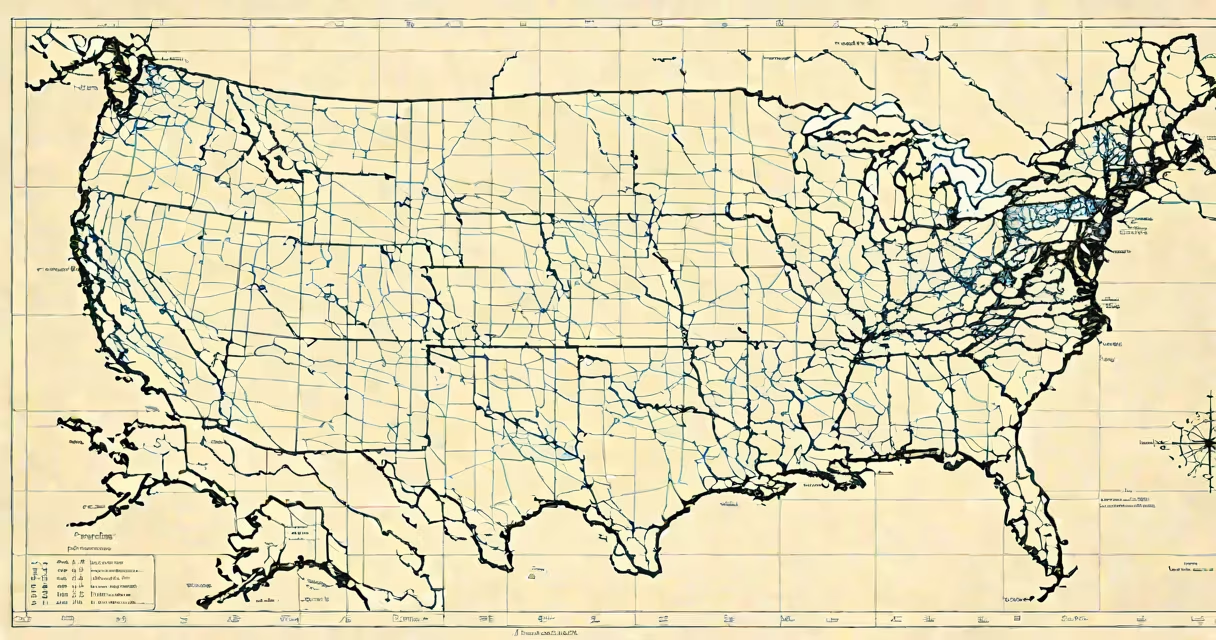
The power grid is a network of interconnected transmission lines, substations, and power plants that spans entire regions or countries. These components are strategically placed to ensure efficient electricity distribution from generation sites to consumers.
The power grid operates through a system of high-voltage transmission lines that carry electricity from power plants to substations. These substations step down the voltage for local distribution networks, which then deliver electricity to homes and businesses. The grid must balance supply and demand in real time to prevent outages.
The power grid consists of several key elements:
For example, the U.S. power grid includes over 300,000 miles of transmission lines and 55,000 substations according to the U.S. Energy Information Administration.
Power grids cover vast geographical areas to serve populations efficiently. In the United States, there are three primary interconnections: the Eastern Interconnection, the Western Interconnection, and the Texas Interconnection (ERCOT). These grids interconnect at specific points called tie lines, allowing for power sharing during peak demand or outages.
Many people assume the power grid is entirely underground, but most transmission lines are overhead due to cost efficiency and easier maintenance. While underground lines are used in urban areas, they account for only about 10% of the total grid infrastructure.
Another misconception is that the grid is a single, unified system. In reality, it consists of multiple interconnected systems managed by different utilities and regional operators. For instance, during a national grid power outage, only affected regions experience disruptions while others remain operational.
Modern grids face challenges like integrating renewable energy sources, which are often located far from population centers. Innovations such as smart grids use digital technology to monitor and manage electricity flow more efficiently, reducing waste and improving reliability.
For example, the European power grid integrates wind farms in the North Sea with urban centers hundreds of miles away, using advanced transmission technologies to minimize energy loss.