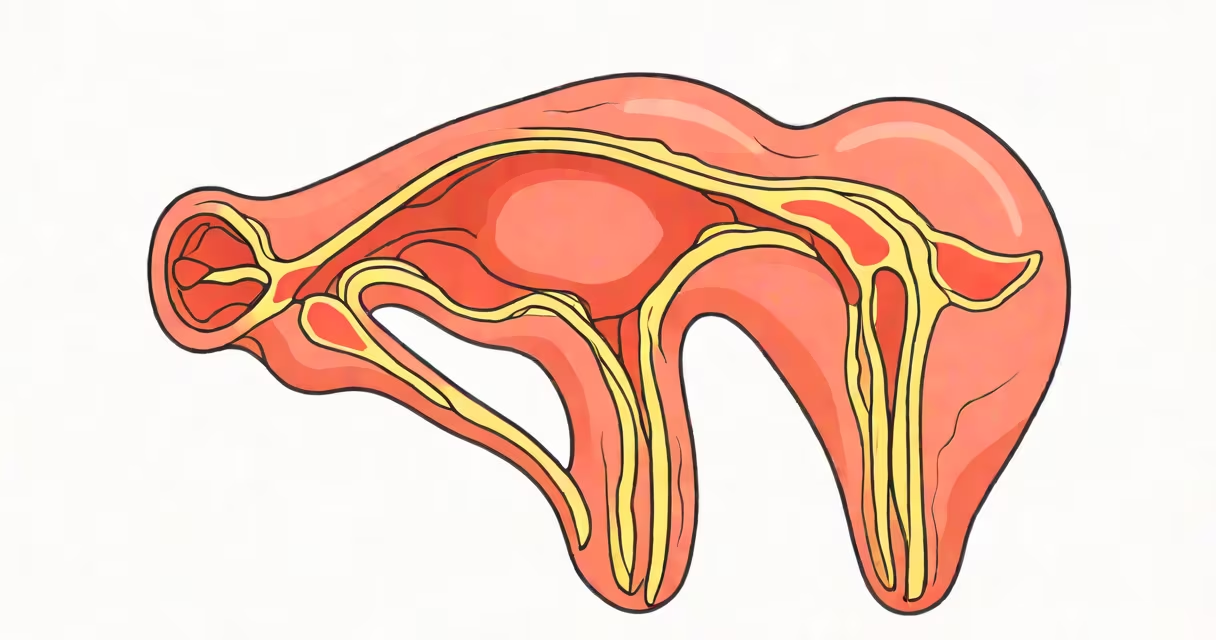
Cramps during ovulation occur due to follicle growth and egg release, causing temporary discomfort. This mid-cycle pain, called mittelschmerz, affects about 20% of people with ovaries.
The menstrual cycle prepares an egg for release. A follicle grows, fluid builds up, and pressure increases. When the egg bursts free, nearby nerve fibers may react, triggering mild cramps. The ovary's outer layer also contracts as it heals, adding to the sensation.
| Type | Characteristics | Duration |
|---|---|---|
| Follicular stretching | Dull ache from follicle expansion | 1-2 days |
| Ovum release | Sharp twinge when the egg exits | Minutes to hours |
| Lining changes | Mild cramping from uterine lining shifts | 1-3 days |
Mittelschmerz is usually harmless, but severe or persistent pain may indicate endometriosis, ovarian cysts, or pelvic inflammatory disease. Seek medical advice if cramps last longer than a few days, worsen over time, or come with heavy bleeding, nausea, or fever.
I once experienced sharp ovulation cramps that lasted over a week. After ruling out cysts, my doctor recommended heat therapy and gentle exercise, which helped reduce the discomfort.
Many assume ovulation pain is always linked to pregnancy or menstruation. However, it's a distinct mid-cycle event unrelated to either. Another myth is that it only happens on one side, but the ovary releasing the egg can alternate monthly.
Over-the-counter pain relievers like ibuprofen or naproxen can ease discomfort. Applying heat to the lower abdomen, staying hydrated, and light exercise may also help. Some find relief through relaxation techniques or dietary adjustments, such as reducing caffeine and salt intake.
If you're tracking ovulation for family planning, note that cramps can signal fertile days. However, they aren't a reliable indicator alone. Combining them with cervical mucus changes or basal body temperature readings improves accuracy.