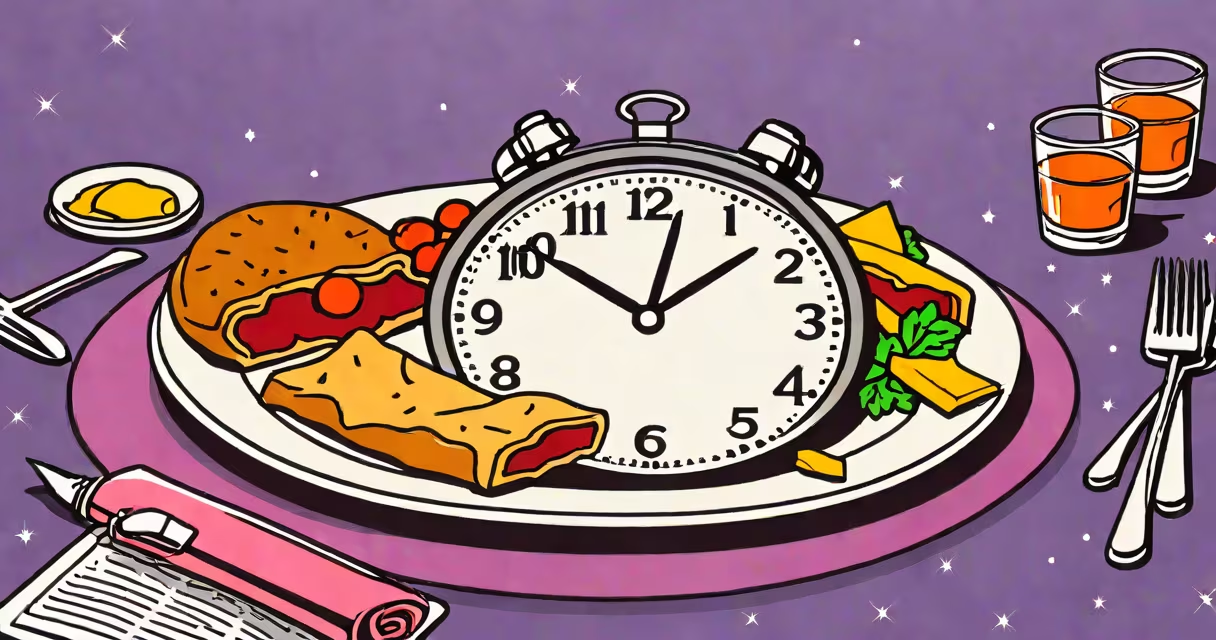
Late-night hunger occurs when your body's internal clock and hunger hormones trigger cravings as you wind down for sleep. This often happens due to fluctuations in ghrelin, the hormone that signals hunger, combined with changes in your circadian rhythm.
Your circadian rhythm regulates many bodily functions, including hunger. As night falls, your body prepares for sleep by slowing digestion. However, this process can also increase ghrelin levels, making you feel hungry just as you're trying to rest. Research from the Journal of Clinical Endocrinology & Metabolism shows that ghrelin peaks in the evening, which explains why many people experience cravings before bed.
Ghrelin stimulates appetite, while leptin suppresses it. At night, ghrelin levels rise, and leptin levels drop, creating a perfect storm for late-night snack attacks. This hormonal shift is part of your body's natural preparation for sleep, but it can lead to unwanted cravings if you're not aware of it.
To reduce late-night hunger, try eating balanced meals throughout the day, avoiding heavy or sugary foods close to bedtime, and maintaining a consistent sleep schedule. If you do feel hungry before bed, opt for a light, protein-rich snack like Greek yogurt or a small handful of nuts. Staying hydrated can also help curb unnecessary cravings.
Understanding why you're hungry before bed can help you make better choices and improve your sleep quality. By listening to your body and adjusting your habits, you can manage late-night hunger effectively.