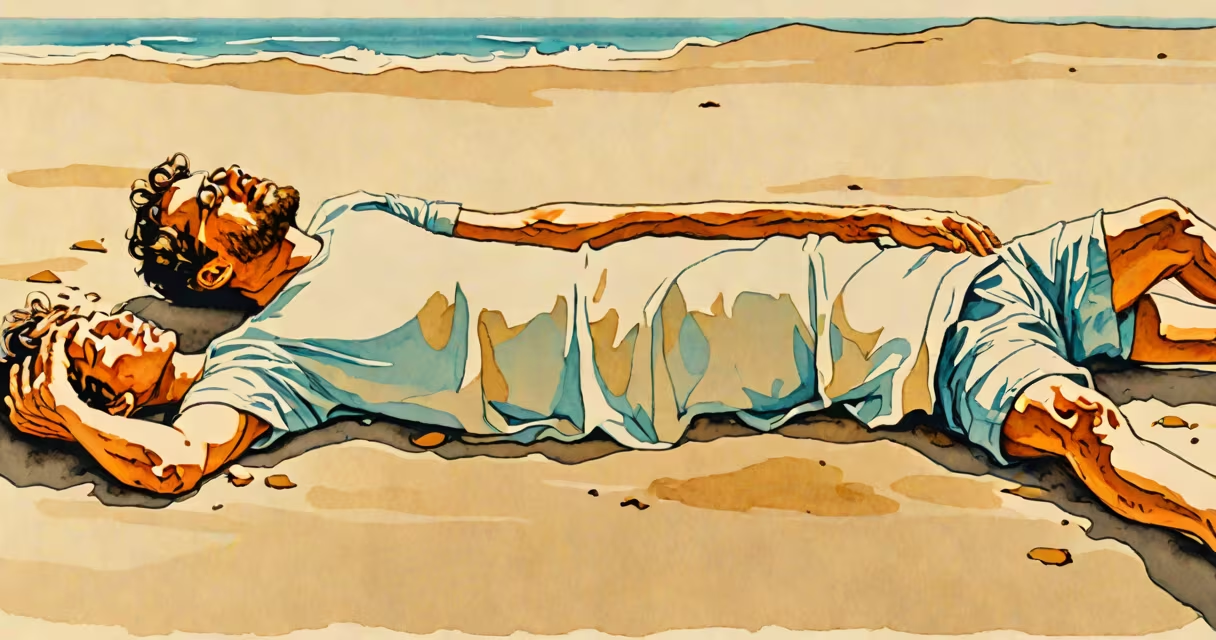
Summer fatigue is a common phenomenon where people feel unusually tired during hot weather. This occurs due to physiological changes caused by heat, humidity, and longer daylight hours.
When temperatures rise, your body works harder to cool itself. This process diverts energy away from other functions, leaving you feeling drained. According to the National Sleep Foundation, even a slight increase in body temperature can disrupt sleep patterns, leading to daytime fatigue.
Several factors contribute to why you might feel tired in summer:
Many people assume summer fatigue is just laziness or a lack of motivation. However, it's a physiological response to environmental changes. Another misconception is that staying indoors avoids heat-related fatigue, but indoor temperatures can also contribute to discomfort and tiredness.
To fight summer exhaustion, focus on staying hydrated, maintaining a balanced diet, and ensuring proper sleep hygiene. The Centers for Disease Control and Prevention recommends drinking plenty of water, wearing light clothing, and avoiding strenuous activities during peak heat hours.
Last summer, I noticed I was consistently fatigued despite getting enough sleep. After adjusting my hydration habits and avoiding heavy meals during the day, my energy levels improved. Small changes can make a big difference in managing summer fatigue.
If fatigue persists even after making lifestyle adjustments, it may be time to explore other causes. Chronic fatigue can sometimes indicate an underlying health issue, so it's important to monitor your symptoms and consult a doctor if needed.
For those experiencing extreme tiredness that interferes with daily life, professional medical advice is important. Persistent fatigue could be a sign of sleep disorders, nutrient deficiencies, or other medical conditions.