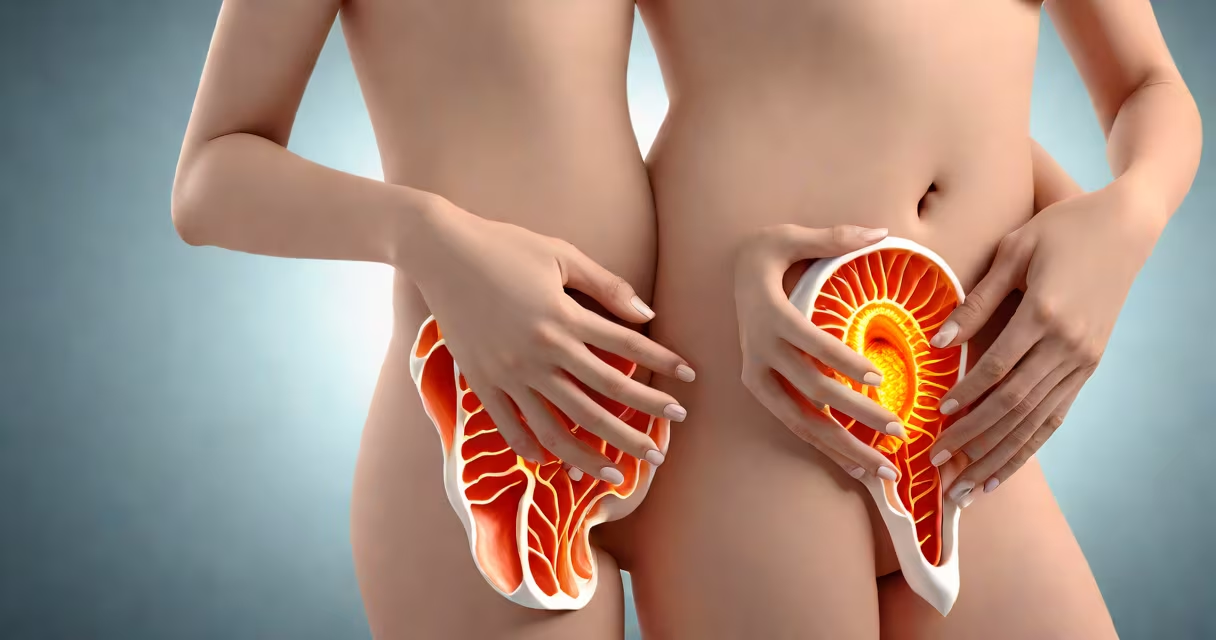
Menstrual cramps are painful because uterine muscles contract to shed the uterine lining, and these contractions reduce blood flow to the uterus, triggering pain. This pain, known as dysmenorrhea, ranges from mild discomfort to severe agony.
During menstruation, the uterus contracts to expel its lining. These contractions are triggered by chemicals called prostaglandins, which are released by the uterine lining. Prostaglandins cause pain and inflammation, and they also make the uterus contract more strongly. The more prostaglandins produced, the more severe the cramps.
There are two main types of dysmenorrhea:
While mild cramps are normal, severely painful periods may indicate an underlying condition. According to the Mayo Clinic, see a doctor if cramps suddenly worsen, last longer than usual, or are accompanied by heavy bleeding, nausea, or diarrhea. Severe pain that disrupts daily activities may require medical attention.
Many people assume all menstrual cramps are the same. However, primary and secondary dysmenorrhea have different causes and treatments. Primary dysmenorrhea often responds to over-the-counter pain relievers, while secondary dysmenorrhea may require prescription medications or surgery.
Most menstrual cramps ease within a few days. However, some women experience pain throughout their entire period. Childbirth often reduces cramp severity, as the cervix and uterus change shape. Hormonal birth control methods can also alleviate pain by reducing prostaglandin production.
Menstrual cramps are painful due to uterine contractions triggered by prostaglandins. While mild cramps are common, severe or worsening pain may indicate an underlying condition. Understanding the cause of your cramps can help you manage them effectively.