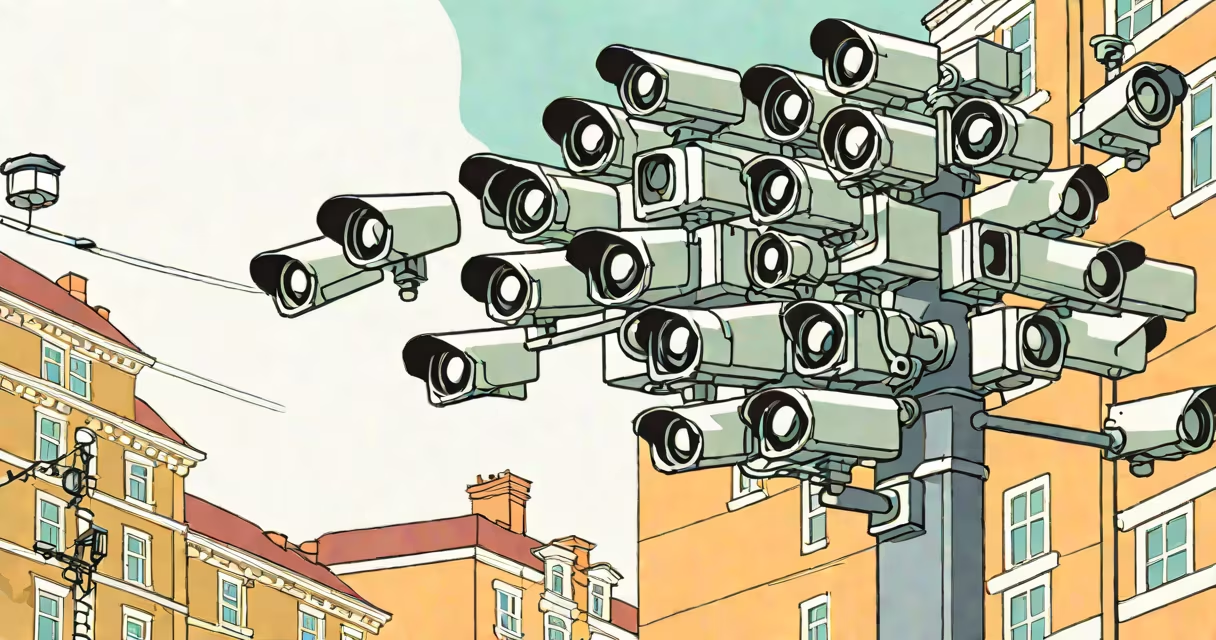
Flock cameras are controversial due to their privacy risks, security vulnerabilities, and lack of transparency. These AI-powered license plate readers raise ethical concerns about mass surveillance.
Flock Safety's cameras scan license plates in real time, storing images and data in a searchable database. Law enforcement agencies use them to track vehicles across jurisdictions. The system alerts police when a plate associated with a crime appears nearby.
The primary issues with Flock cameras fall into three categories:
Over 1,200 U.S. law enforcement agencies use Flock cameras, often with minimal public oversight. Cities install them to combat car theft and other crimes, but critics argue they create a chilling effect on civil liberties.
Many believe Flock cameras only track criminals, but they scan every license plate indiscriminately. Another myth is that the data is secure-Flock's own systems have suffered breaches, exposing sensitive information.
In 2021, a hacker exploited a flaw in Flock's software, accessing live camera feeds and stored data. The breach exposed vulnerabilities in the company's security protocols, raising doubts about their ability to protect sensitive information.
The Electronic Frontier Foundation warns that Flock cameras enable "function creep," where surveillance tools expand beyond their original purpose. Similarly, the ACLU argues they disproportionately affect marginalized communities.
Flock cameras pose significant risks to privacy and security. While they may help solve crimes, their widespread use demands stricter regulations and transparency to prevent abuse.