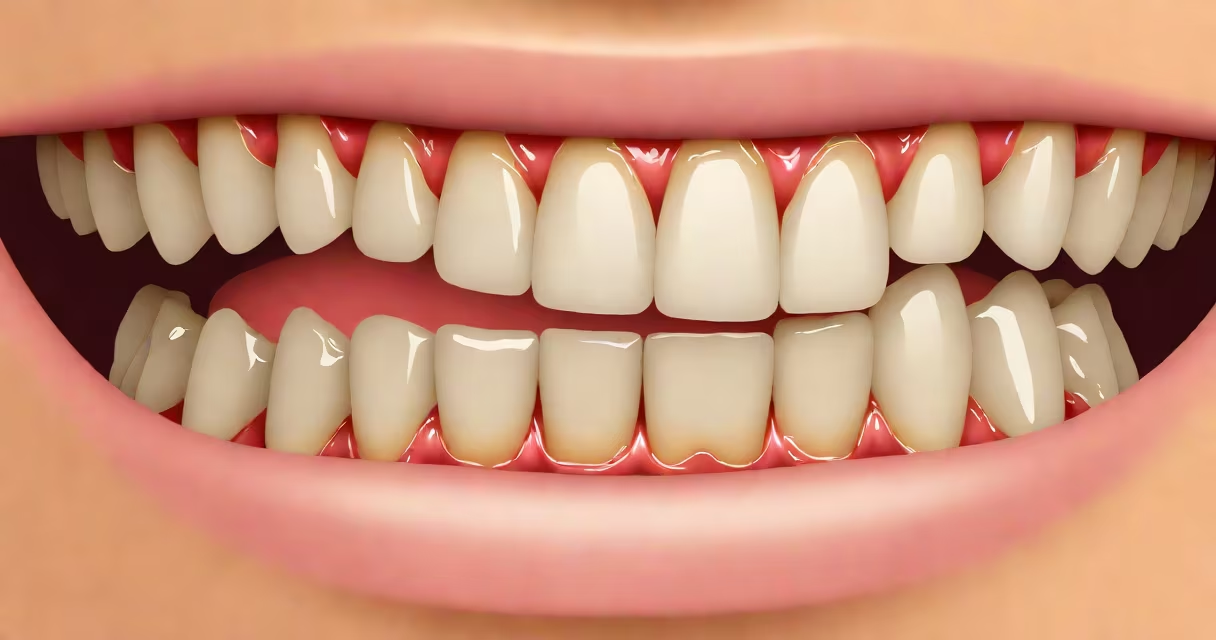
Teeth discoloration occurs when the natural white color of your teeth changes due to staining or darkening. This can happen for various reasons, including aging, food and drink choices, and poor oral hygiene.
Teeth can become discolored either on the surface (extrinsic stains) or deeper within the tooth structure (intrinsic stains). Extrinsic stains are caused by external factors like food, drinks, and smoking, while intrinsic stains originate from within the tooth due to trauma, aging, or exposure to certain minerals during tooth formation.
Teeth discoloration can be categorized into several types:
Several factors contribute to teeth discoloration:
| Cause | Description |
|---|---|
| Food and Drinks | Coffee, tea, red wine, and dark-colored sodas contain chromogens that stick to enamel. |
| Smoking and Tobacco Use | Tar and nicotine in tobacco products cause yellow or brown stains. |
| Aging | Enamel wears thin, revealing the yellowish dentin underneath. |
| Poor Oral Hygiene | Inadequate brushing and flossing allow plaque to build up, leading to stains. |
| Medications | Certain antibiotics (like tetracycline) and high blood pressure medications can cause discoloration. |
| Trauma | Injuries can damage the tooth's inner pulp, causing a dark appearance. |
Treatment options depend on the type and severity of discoloration. Common solutions include:
I once had a patient who was concerned about their teeth turning yellow despite maintaining good oral hygiene. After discussing their diet, we discovered they drank several cups of coffee daily. Switching to a lighter beverage and using a whitening toothpaste improved their teeth color over time.
To maintain white teeth, limit consumption of staining foods and drinks, avoid tobacco, and practice good oral hygiene. Regular dental cleanings can also help remove surface stains before they become more pronounced.