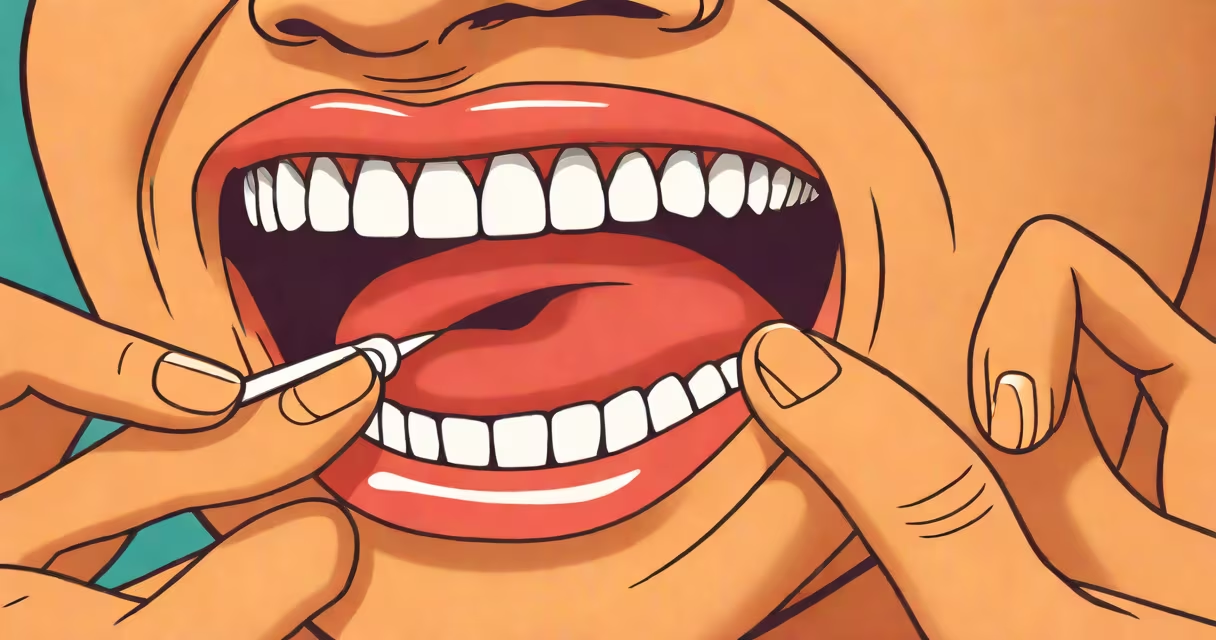
Tooth sensitivity occurs when the protective layers of your teeth wear down, exposing microscopic tubules to hot, cold, or acidic foods. This sudden discomfort often results from enamel erosion, gum recession, or damaged fillings.
Each tooth has a core of connective tissue called pulp, which contains nerve endings. When enamel erodes or gums recede, these nerves become exposed to external stimuli. The resulting pain signals travel to your brain, creating the sensation of sensitivity.
The most common cause of sudden sensitivity is enamel loss due to acidic foods, aggressive brushing, or grinding. Gum recession, often caused by periodontal disease, can also expose tooth roots, which lack enamel protection.
| Trigger Type | Common Causes | Example |
|---|---|---|
| Thermal | Hot or cold foods/drinks | Pain when drinking coffee or eating ice cream |
| Chemical | Acidic foods or whitening treatments | Discomfort after eating citrus fruits or using whitening strips |
| Mechanical | Brushing too hard or using a firm brush | Pain after brushing aggressively |
Sensitivity often occurs on the biting surfaces of teeth or along the gumline. Enamel erosion is most common on chewing surfaces, while gum recession exposes root surfaces. Both conditions leave nerves vulnerable to external stimuli.
According to the American Dental Association, nearly 40 million adults in the U.S. experience tooth sensitivity. The condition is more prevalent in people aged 20 to 40.
Many people assume sensitivity is solely due to aging or genetics. While these factors contribute, lifestyle habits like aggressive brushing, teeth grinding, or consuming acidic foods play significant roles. Proper oral hygiene and dietary choices can mitigate sensitivity.
Another misconception is that sensitivity always indicates a serious dental issue. While it can signal problems like cavities or cracked teeth, it often results from minor, reversible damage.
Using a soft-bristled toothbrush and desensitizing toothpaste can reduce sensitivity. Fluoride treatments, available at dental offices, strengthen enamel and block pain signals. In severe cases, dental bonding or gum grafts may be necessary.
I once experienced sudden sensitivity after consuming a diet high in citrus. Switching to a neutral pH mouthwash and using a desensitizing toothpaste resolved the issue within weeks.