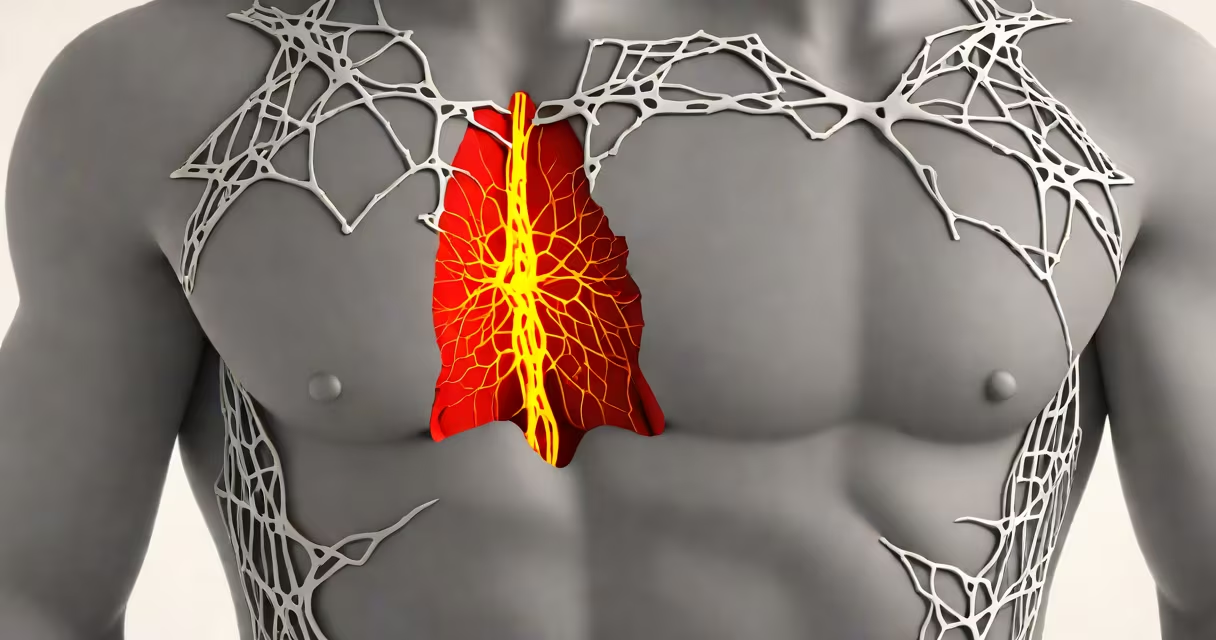
Anxiety in your chest feels like pressure, tightness, or sharp pains caused by stress triggering your body's fight-or-flight response. This reaction increases heart rate, restricts blood vessels, and tenses muscles, creating uncomfortable sensations.
When you're anxious, your brain signals your nervous system to release stress hormones like adrenaline and cortisol. These hormones prepare your body for danger by increasing your heart rate and tightening muscles. The resulting physical tension often manifests as chest pain or discomfort.
Unlike heart attack pain, which typically spreads to other parts of the upper body, anxiety-related chest pain usually stays localized. It may feel like a dull ache, sharp sting, or squeezing sensation. Some people describe it as feeling like bubbles in their chest, though this sensation is more likely due to hyperventilation or muscle tension.
| Type | Description | Common Triggers |
|---|---|---|
| Muscle tension | Tightness or soreness from clenched muscles | Stress, poor posture, prolonged sitting |
| Hyperventilation | Sharp or stabbing pain from rapid breathing | Panic attacks, sudden stress |
| Heart palpitations | Fluttering or racing heartbeat | Caffeine, stress, panic attacks |
While anxiety can cause chest pain, it's important to rule out serious medical conditions. According to the American Heart Association, seek immediate medical attention if you experience:
If your doctor confirms that your chest pain is anxiety-related, they may recommend therapy, medication, or lifestyle changes to manage your symptoms.
Deep breathing exercises can help. Try inhaling slowly through your nose for four seconds, holding for four seconds, and exhaling through your mouth for six seconds. This technique slows your heart rate and calms your nervous system.
Progressive muscle relaxation is another effective method. Tense and then release each muscle group in your body, starting with your toes and working your way up to your chest and shoulders. This practice helps relieve muscle tension and reduces anxiety.
Regular exercise, such as walking or yoga, can also help manage anxiety. Aim for at least 30 minutes of moderate activity most days of the week. Avoid caffeine, nicotine, and excessive alcohol, as these can worsen anxiety symptoms.
Many people mistake anxiety-related chest pain for a heart attack. While both can cause discomfort, anxiety-related pain usually doesn't spread to other parts of the body and tends to come and go. However, if you're unsure, it's always best to err on the side of caution and seek medical advice.
Another misconception is that anxiety-related chest pain is harmless. While it's not life-threatening, it can impact your quality of life. Chronic anxiety can lead to long-term health issues, including high blood pressure and heart disease. That's why it's important to address anxiety symptoms early.
If you frequently experience anxiety-related chest pain, it may be a sign of an underlying anxiety disorder. According to the National Institute of Mental Health, anxiety disorders are among the most common mental health conditions in the U.S., affecting nearly 30% of adults at some point in their lives.
If your symptoms persist, consider speaking with a mental health professional. Therapy, such as cognitive-behavioral therapy (CBT), can help you identify and change thought patterns that trigger anxiety. Medications, such as selective serotonin reuptake inhibitors (SSRIs), may also be prescribed to manage symptoms.
In my experience, keeping a journal of your symptoms and triggers can be helpful. By tracking when and why your anxiety flares up, you can better understand and manage your condition.
Anxiety in your chest is a common symptom of stress and anxiety disorders. While it can be frightening, it's usually not dangerous. However, if you're unsure whether your symptoms are related to anxiety or a medical condition, it's important to consult a healthcare professional.
By understanding the causes of anxiety-related chest pain and taking steps to manage your symptoms, you can improve your well-being and reduce the impact of anxiety on your daily life.