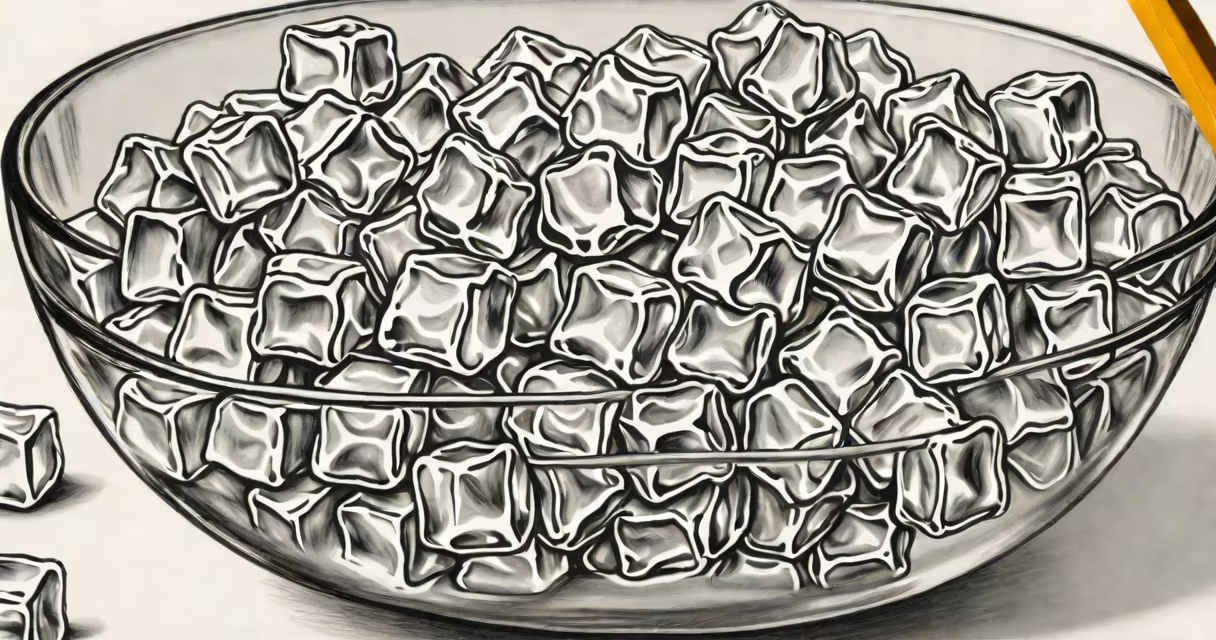
Eating ice all the time, known medically as pagophagia, is often a sign of an underlying condition called pica, where people crave and eat non-food substances. This behavior can indicate nutritional deficiencies, particularly iron deficiency anemia.
Pica involves intense cravings for ice, dirt, paper, or other non-nutritive items. The exact cause is unknown, but it's linked to psychological factors, cultural practices, and nutrient deficiencies. Ice eating is the most common form of pica in the U.S., affecting up to 30% of pregnant women and people with iron deficiency.
| Type | Substance Craved | Common Cause |
|---|---|---|
| Pagophagia | Ice | Iron deficiency anemia |
| Geophagia | Dirt or clay | Nutritional deficiencies |
| Amylophagia | Starch or raw flour | Psychological stress |
Most cases of ice eating stem from iron deficiency anemia, which affects about 10% of the global population. The body may crave ice to compensate for low hemoglobin levels, which reduce oxygen flow to tissues. Eating ice can create a temporary sensation of fullness or numbness in the mouth, masking hunger or stress.
Many assume ice eating is harmless, but it can lead to dental problems, digestive issues, and further nutrient absorption problems. Unlike occasional ice chewing, chronic pagophagia requires medical attention. Some confuse it with stress-eating habits, but true pica involves compulsive cravings for non-food items.
I once worked with a colleague who constantly chewed ice from her water bottle. After noticing her fatigue and pale skin, she visited a doctor and was diagnosed with severe iron deficiency. Iron supplements resolved her cravings within weeks.
Consult a healthcare provider if ice eating interferes with daily life, causes dental damage, or accompanies symptoms like fatigue, dizziness, or frequent infections. Blood tests can confirm iron deficiency, and dietary changes or supplements may be prescribed. For psychological triggers, therapy or counseling may help.