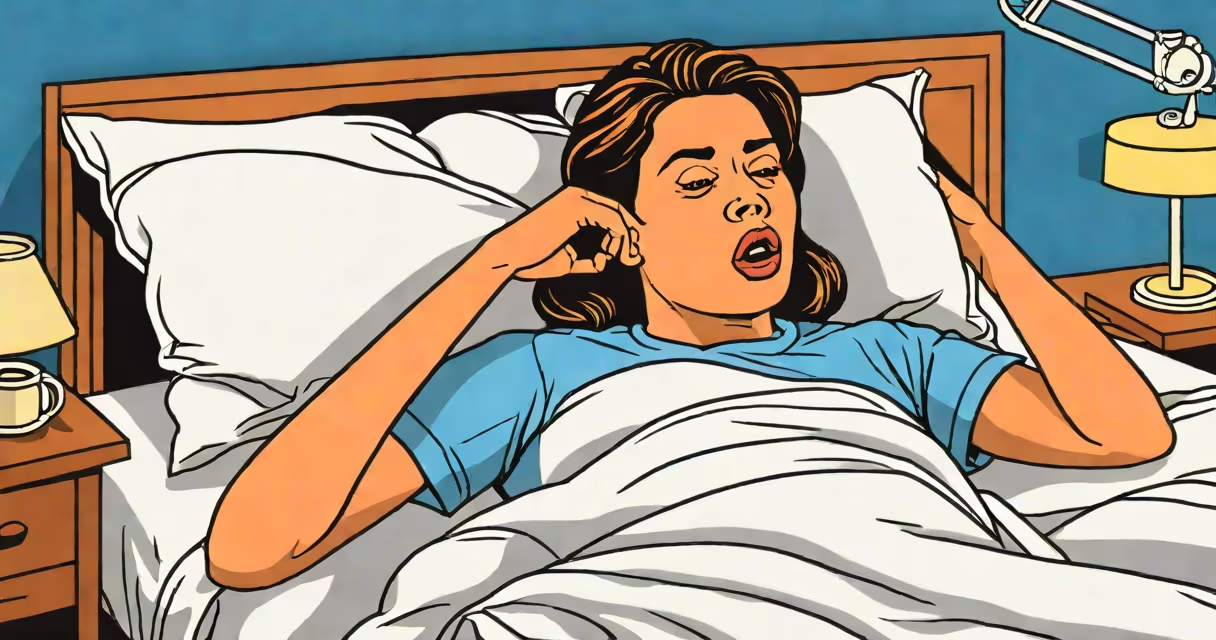
Excessive belching at night often results from eating too quickly, swallowing air, or digestive issues like acid reflux. Most people belch occasionally to release stomach gas, but frequent nighttime burping may indicate an underlying problem.
Belching (or burping) releases air from your stomach. It happens when the lower esophageal sphincter opens to let gas escape. During the day, you swallow small amounts of air while eating, drinking, or talking. At night, lying down slows digestion, making trapped air harder to pass.
Several factors contribute to frequent belching at night:
Occasional belching is normal, but see a doctor if:
Persistent symptoms may indicate GERD or other digestive disorders. A doctor can diagnose the issue and recommend treatment.
Lifestyle changes can help minimize excessive belching:
Many people assume belching is harmless, but frequent nighttime burping can signal digestive issues. Unlike occasional belching, persistent symptoms may require medical attention. Another myth is that belching only results from overeating. In reality, swallowing air, food intolerances, and acid reflux also play significant roles.
Last year, I noticed excessive belching at night after eating late dinners. Adjusting my meal schedule and avoiding carbonated drinks reduced the frequency. If symptoms persist, consulting a doctor is essential for proper diagnosis and treatment.
Frequent belching at night often stems from swallowing air, acid reflux, or digestive issues. Lifestyle changes can help, but persistent symptoms may require medical attention. Understanding the causes and remedies of excessive nighttime burping can improve comfort and sleep quality.