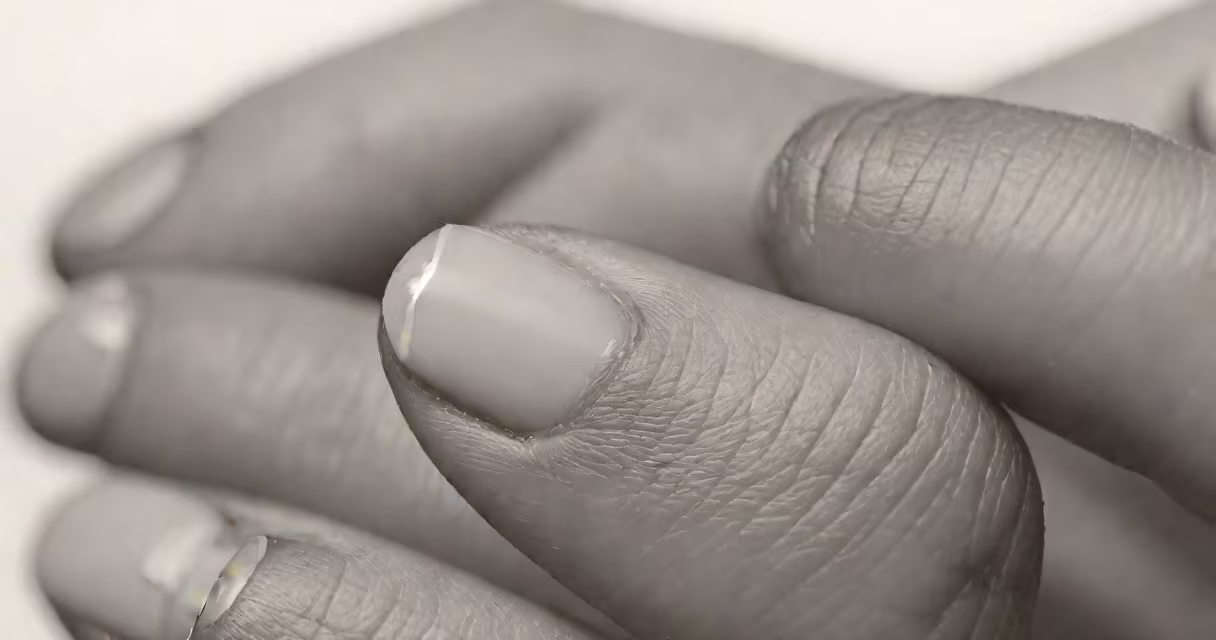
Curled fingernails occur when your nails grow in a rounded or spoon-like shape due to abnormal keratin production or external factors. This condition can affect one or multiple nails.
Nails curve naturally as they grow, but excessive curling often results from imbalances in keratin-a protein that makes up most of your nails. When keratin production becomes uneven, the nail plate grows in a curved shape instead of flat.
| Type | Description | Common Causes |
|---|---|---|
| Spoon-shaped nails (koilonychia) | Nails curve inward like a spoon | Iron deficiency, trauma, or hereditary factors |
| Clubbing | Nails thicken and curve around fingertips | Lung disease, liver disease, or heart conditions |
| Ingrown nails | Nails curve and grow into surrounding skin | Tight footwear, improper trimming, or genetic predisposition |
Factors like iron deficiency, trauma, or certain medical conditions can lead to curled nails. For example, spoon-shaped nails often result from anemia or frequent exposure to moisture. Clubbing, another form of nail curvature, may indicate underlying health issues like lung or heart disease.
I noticed my own nails becoming slightly curved after years of using harsh cleaning products. After switching to gloves and adjusting my diet, the issue improved.
To prevent curled nails, maintain a balanced diet rich in biotin, iron, and protein. Avoid biting or picking at your nails, and wear protective gloves when handling chemicals. If curvature persists, a dermatologist can recommend treatments like nail filing or corrective procedures.