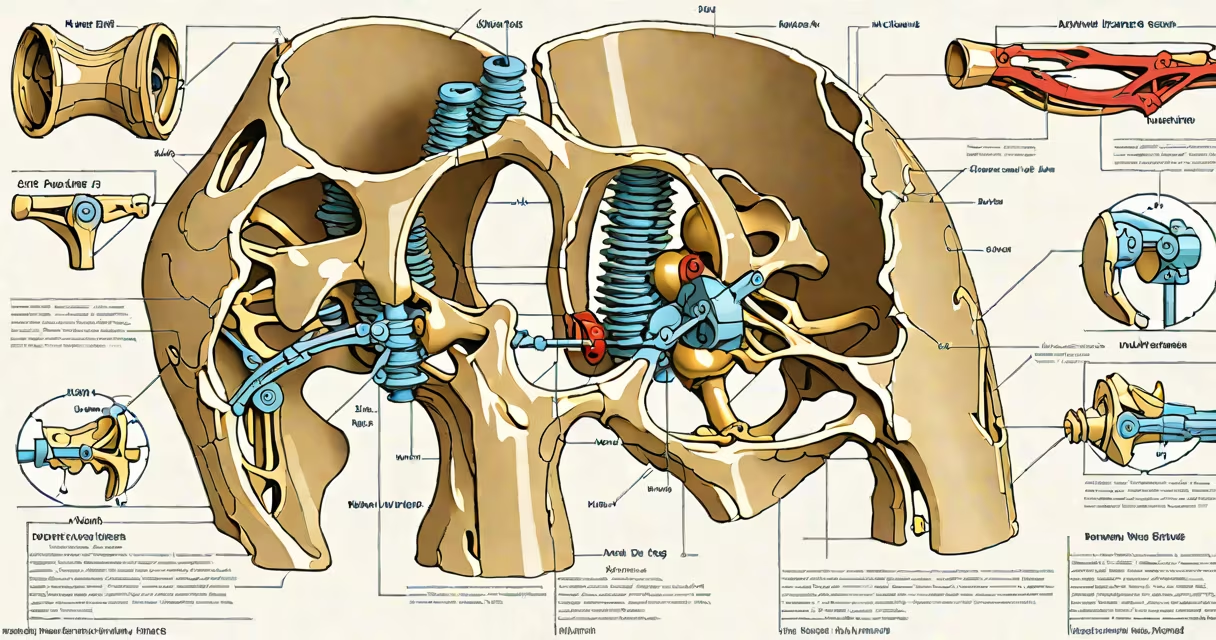
Hip cracking occurs when gas bubbles pop in the synovial fluid inside your joint, or when ligaments snap back into place. This harmless phenomenon, called crepitus, happens to most people at some point.
The most common cause is cavitation - when gas dissolved in your synovial fluid forms bubbles that rapidly collapse, creating that popping sound. This happens when you move your hip joint through its full range of motion.
Another cause is tendon or ligament movement. When these tissues glide over bones, they can suddenly tighten and release, creating both sound and sensation.
| Type | Sound | Cause |
|---|---|---|
| Cavitation | Popping | Gas bubble collapse in synovial fluid |
| Ligament Snap | Cracking | Ligaments snapping over bones |
| Tendon Glide | Creaking | Tendons moving over bone surfaces |
Most people notice hip cracking when:
According to orthopedic research, about 30% of adults experience regular joint cracking, particularly in weight-bearing joints like hips and knees. A study published in the Journal of the American Medical Association found that while many people worry about joint cracking, it's generally harmless.
Many people confuse hip cracking with other conditions:
Let's examine a typical scenario: You're sitting cross-legged on the floor, then stand up. As you extend your hips, you hear and feel a loud pop. This is likely cavitation occurring in your hip joint. The sudden change in joint pressure causes dissolved gases to form bubbles, which then collapse with an audible pop. This is completely normal and similar to the process that causes knuckles to crack.
While occasional hip cracking is normal, see a doctor if you experience:
To reduce frequent hip cracking:
Remember, occasional hip cracking is normal and generally harmless. However, if you notice changes in frequency, intensity, or develop accompanying symptoms, consult a healthcare professional for evaluation.